
News
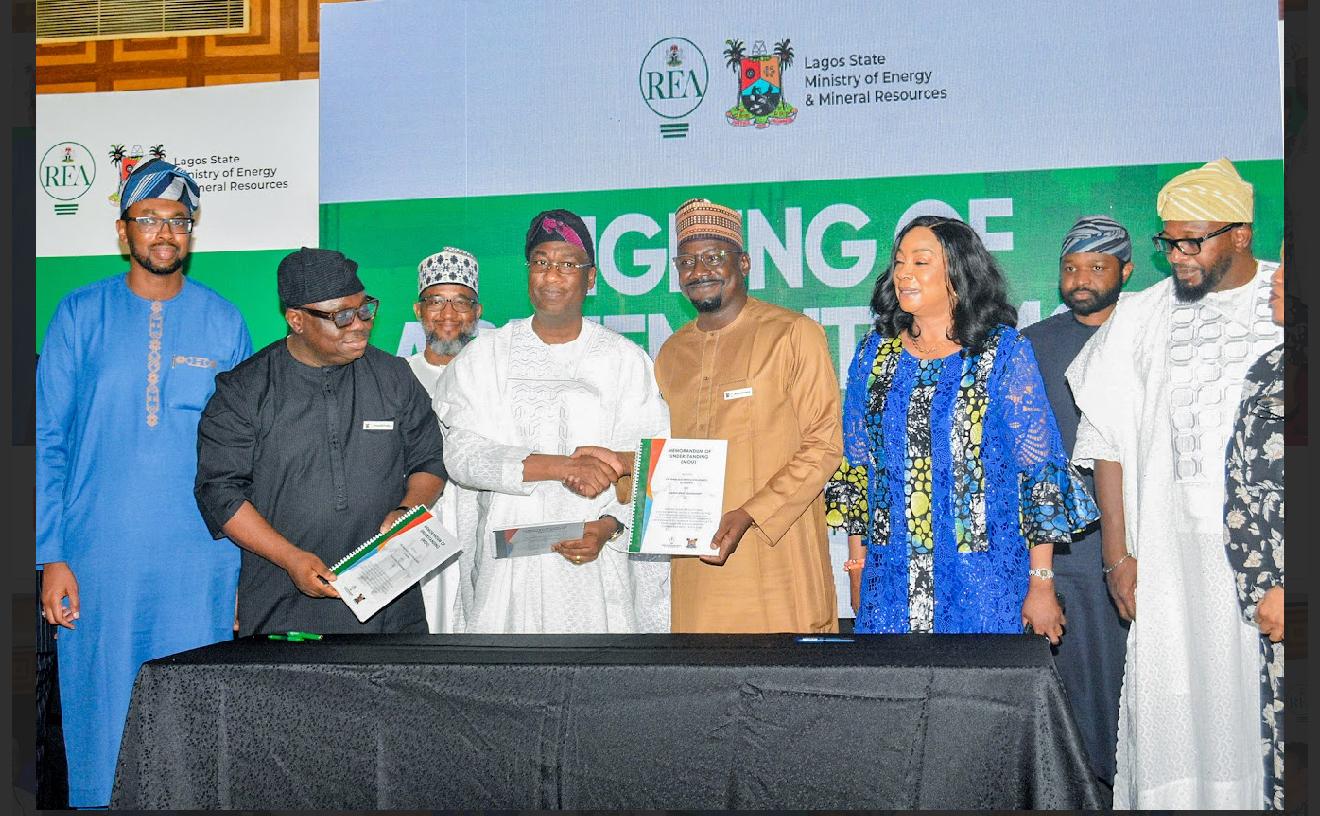
REA, Lagos State Govt Set To Expand Renewable Energy Access, Launch Rooftop Solar







Click to read full text








News20 hours ago
Ojukwu Confered With 2026 UTA International Humanitarian Awar

News2 days ago
Electricity For Underserved Communities: REA, Alpha Morgan Bank Collaborate On ₦50 Billion Financing Facility To Accelerate Access

Politics4 days ago
2027: Why Tinubu Will Defeat Kwankwaso In Kano — Abdulmumin Jibrin

Business News4 weeks ago
MPC Meeting: Nigeria’s Economy Remains Resilient To External Shocks, Cardoso Assures As Members Commit To Sustain Financial Stability

News5 days ago
NERC Gives PHED 60-Days To Incorporate PHED SubCo To Oversee Interstate Power Supply As AKSERC Assumes Electricity Oversight

Business News3 weeks ago
Asset Integrity, Life Extension, Fixing Obsolescence Key To Sustaining Value For Independents – Seplat CEO


-
 News5 days ago
NERC Gives PHED 60-Days To Incorporate PHED SubCo To Oversee Interstate Power Supply As AKSERC Assumes Electricity Oversight
-
 Business News1 week ago
President Tinubu’s New Deep Offshore Investment Framework, Game Changer For Nigeria’s Oil Sector – TDF
-
 Business News1 week ago
FGN Power Company Supports Visiola Foundation’s 2026 STEM Summer Camp, Inspires Next Generation Of Energy Innovators