
News
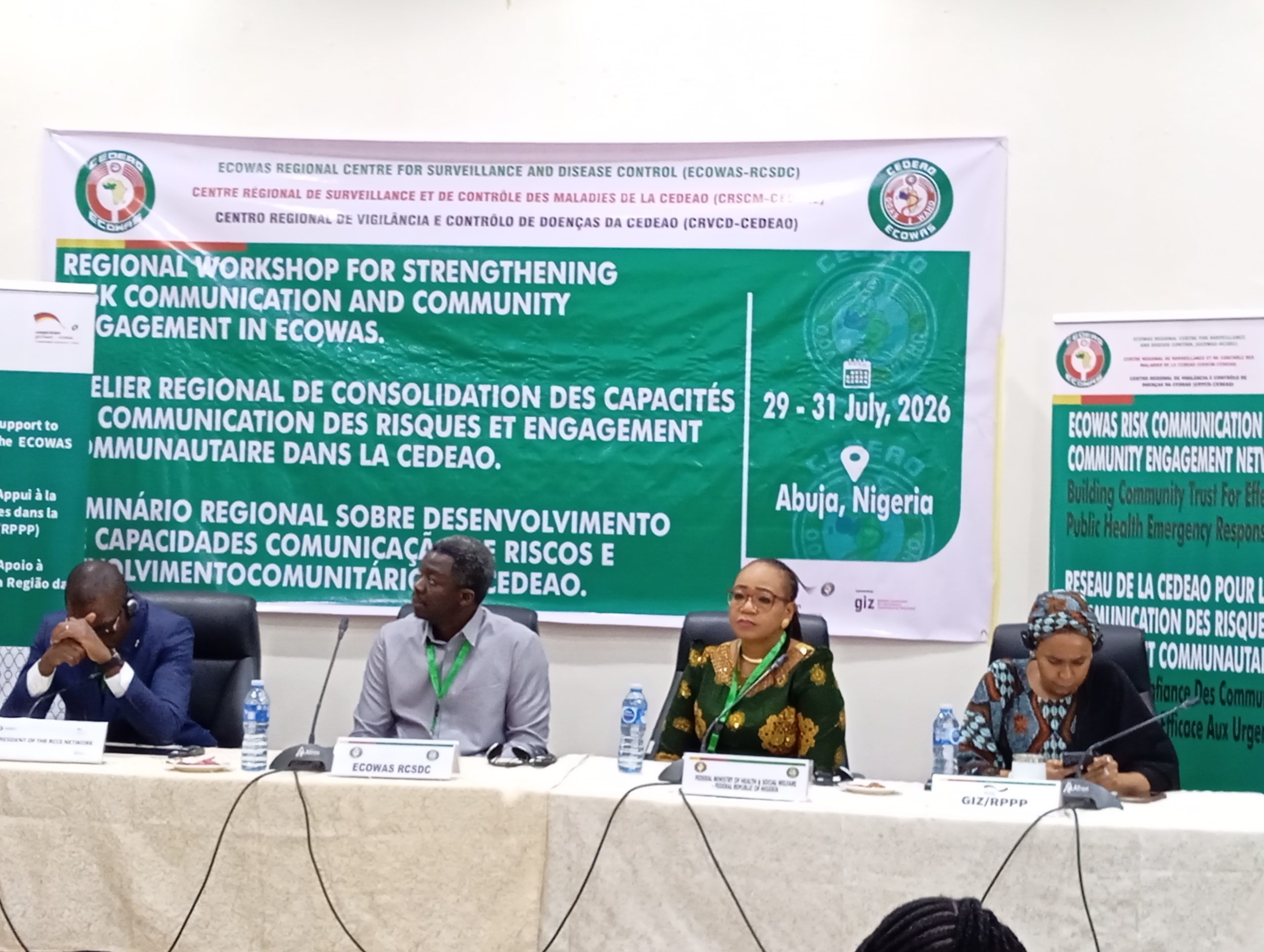
Nigeria Tasks ECOWAS Member States With Closing Gaps, Strengthening Strategies Against Disease Threats









Click to read full text








News4 hours ago
Tinubu, Obi, Sowore, Others Sign Peace Accord Ahead Of 2027 Elections

News4 hours ago
Three Tiers Of Govt Harvest Bumper Revenue As FAAC Shares ₦3.007 Trillion

News5 hours ago
FG Commends TCN Over Transmission Infrastructure Upgrade, Says It Reflects Administration’s Policy Targets

News4 weeks ago
FG flags Off Smart Meters Installers Training programme, Targets Installing Seven Million Meters Nationwide

Business News3 weeks ago
MPC Meeting: Nigeria’s Economy Remains Resilient To External Shocks, Cardoso Assures As Members Commit To Sustain Financial Stability

News4 weeks ago
NHRC Tasks FG, State Govts, People Of Means To Make Practical Interventions Towards Combating Poverty, Inequity


-
 News1 week ago
Police Arrest Clergyman, Air Force, Navy Personnel Over Alleged Plot To Kidnap Bishops’ Wives In Plateau
-
 News1 week ago
NISO Pledges Collaboration With State Regulators To Deepen Electricity Supply As GOSERC Reveals Upcoming 30 Mini-grids
-
 Business News5 days ago
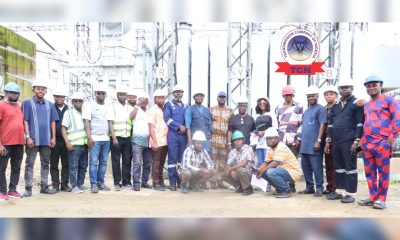
TCN Boosts Power Transmission In Rivers State, Commissions 150MVA Power Transformer at Afam Substation