By LOVETH AZODO, Lagos
The National Insurance Commission (NAICOM) and the United Nations Development Programme (UNDP) have outlined plans to scale the Lagos Flood Risk Insurance Model and strengthen actuarial capacity across Nigeria’s insurance industry, as part of renewed efforts to deepen innovation and build resilience against climate-related risks.
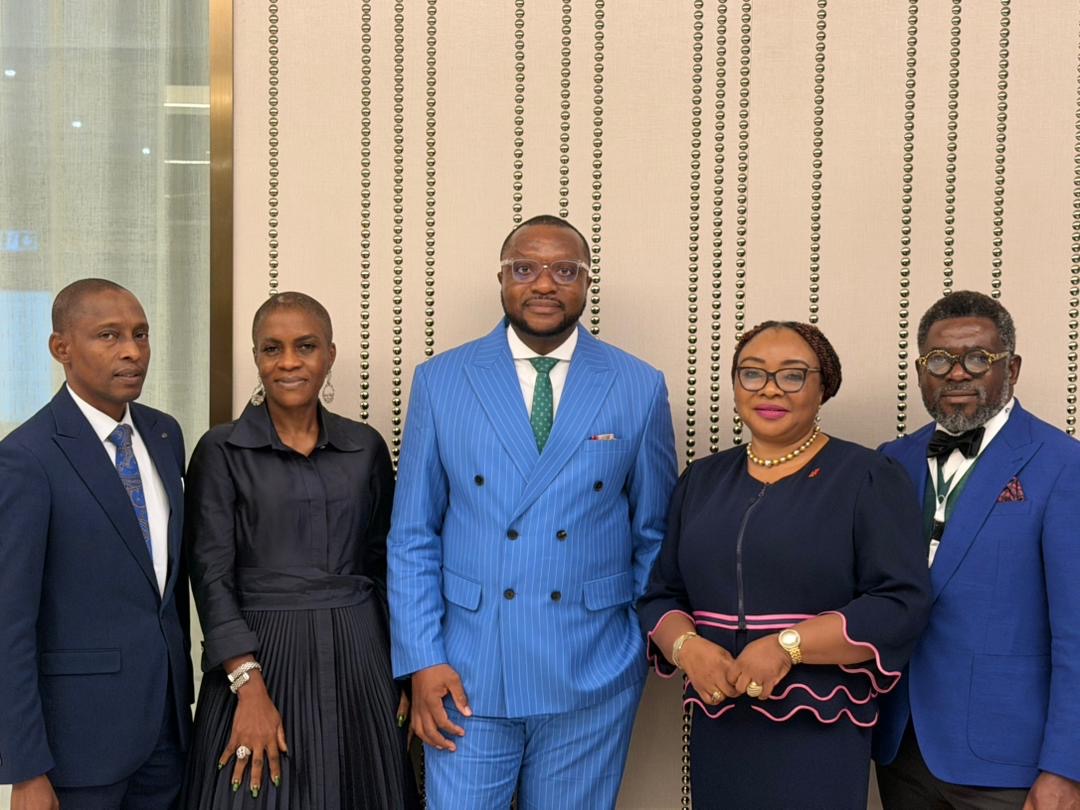
The resolution followed an engagement in Abuja where the Commissioner for Insurance, Mr. Olusegun Ayo Omosehin, received a UNDP delegation to advance discussions on expanding insurance access, enhancing market stability and deploying sustainable risk solutions across the country.
During the meeting, UNDP Regional Specialist, Mr. David Mueller, reaffirmed the organisation’s commitment to supporting Nigeria’s insurance sector, highlighting the need to scale existing risk models while strengthening institutional capacity.
He noted that improving actuarial expertise and enabling insurers to mobilise domestic capital for sustainable investments would be critical to achieving long-term impact.
Mueller also pledged continued support for ongoing reforms within the industry, drawing on lessons from previous UNDP-backed initiatives to ensure effective implementation and measurable outcomes.
In his response, Omosehin underscored NAICOM’s reform priorities, anchored on improving transparency, driving innovation and expanding insurance penetration. He noted that the Nigerian Insurance Industry Reform Act (NIIRA) 2025 provides a robust framework for strengthening consumer protection, enhancing regulatory capacity and promoting sustainability within the sector.
He further stated that the ongoing recapitalisation exercise, with the first phase scheduled to conclude by July 31, 2026, is aimed at reinforcing the financial strength and resilience of insurance operators, adding that the Commission has established dedicated support structures to guide the process.
The commissioner also highlighted NAICOM’s commitment to institutionalising Environmental, Social and Governance (ESG) principles through the development of an in-house framework, building on prior collaborations with development partners.
Both parties agreed to accelerate efforts to build actuarial capacity through coordinated training initiatives and strategic partnerships, while also exploring the revival of a national catastrophe insurance scheme in collaboration with relevant agencies, including the National Emergency Management Agency.
The outcome of the meeting, stakeholders say, reflects a growing alignment between regulators and development partners to position insurance as a key driver of financial inclusion, climate resilience and sustainable economic growth in Nigeria.