Connect with us

News

As Blackouts Deepen, Power Agencies Trade Blame: ‘It’s Not The Grid, There’s Simply No Electricity To Transmit’

Published

on


By Clement Nwoji, Abuja

As millions of Nigerians endure worsening blackouts from Lagos to Abuja, a public blame game has erupted within the power sector, with key government agencies distancing themselves from responsibility for the deteriorating electricity supply.

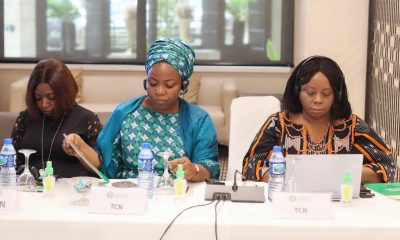
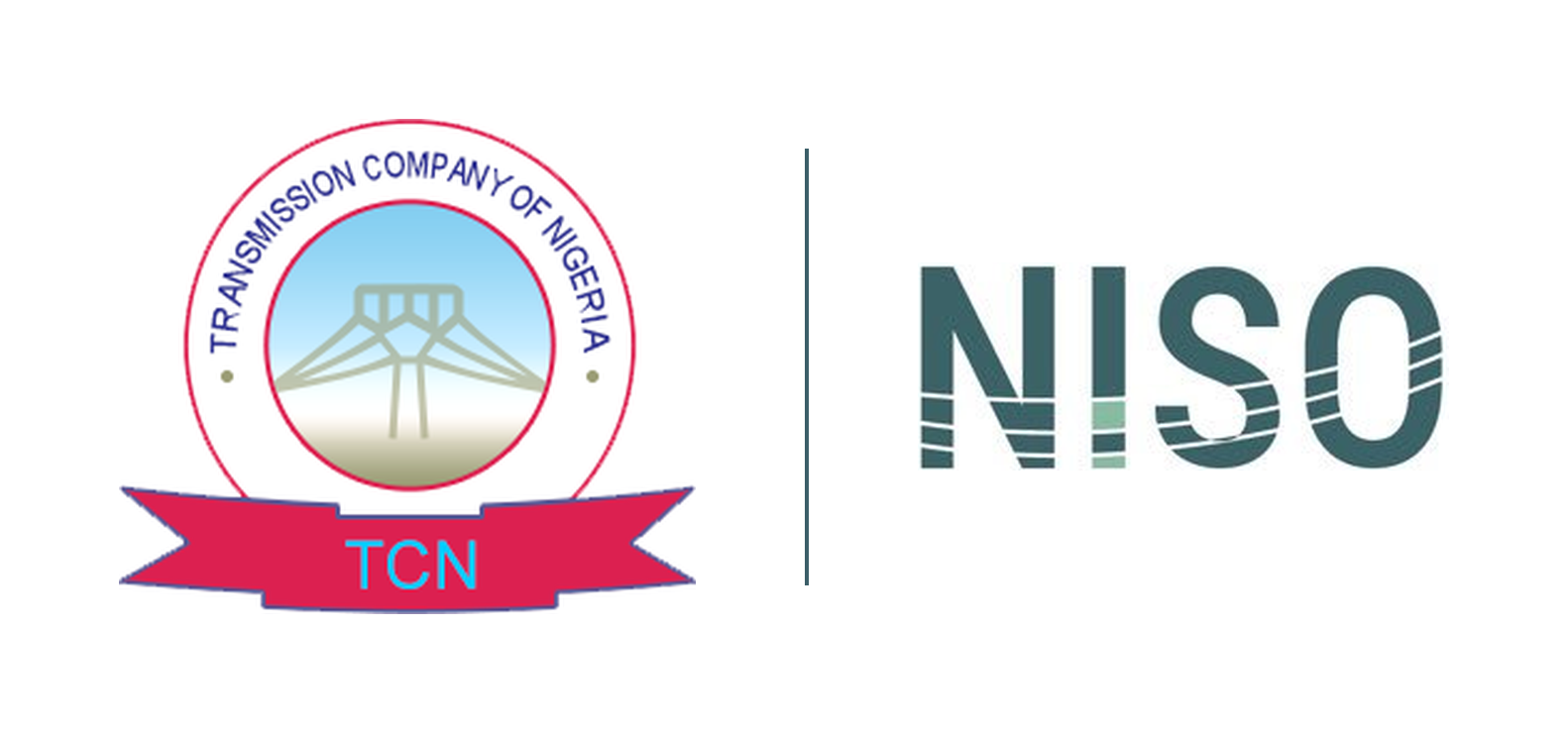
The Nigerian Independent System Operator (NISO) and the Transmission Company of Nigeria (TCN) have both issued statements effectively pointing fingers elsewhere as consumers grapple with reduced supply, prolonged load-shedding and rising costs of alternative power.

NISO said the latest wave of power shortages stems from inadequate gas supplies to thermal power plants and falling water levels at hydroelectric dams, resulting in a sharp drop in electricity generation nationwide.

According to the system operator, there is simply less electricity being produced for allocation to distribution companies, forcing widespread load-shedding across the country.

But TCN went a step further, rejecting claims by Ikeja Electric that some outages were caused by “grid instability” and insisting that the transmission network is not responsible for the current crisis.

In an unusually blunt response, TCN argued that Nigerians are facing darkness not because the grid failed, but because there is insufficient power being generated in the first place.

“TCN can only transmit the energy made available to it and cannot transmit energy that is not generated,” the company said.

The transmission company also accused Ikeja Electric of misleading customers by attributing service disruptions to TCN, citing operational records that it claims show most interruptions were linked to low generation, load-shedding directives or faults within the distribution company’s own network.

The exchange exposes deep cracks within Nigeria’s electricity value chain, where generation companies blame gas shortages, transmission operators blame low generation, and distribution companies blame grid constraints, while consumers remain stuck at the receiving end of a system that continues to underperform.

For households and businesses already battling inflation and soaring energy costs, the distinction may be meaningless.

Whether the problem originates from gas shortages, depleted reservoirs, transmission limitations or distribution failures, the outcome remains the same: darkness.

The latest explanations also raise uncomfortable questions about the resilience of Nigeria’s electricity sector. With a population exceeding 250 million and growing energy demand, the country’s power system remains highly vulnerable to disruptions in gas supply and seasonal changes in water levels.

Critics say the statements from NISO and TCN amount to an admission that the sector has little buffer against predictable shocks. A reduction in gas supply or hydro output should not be enough to plunge vast sections of Africa’s most populous nation into extended power shortages.

As agencies debate the technical causes of the latest disruptions, Nigerians are left confronting a more fundamental question: after decades of reforms, billions spent and repeated promises of improvement, why is one interruption in gas supply still enough to leave millions in the dark?

For consumers facing another round of blackouts, the official explanations sound less like solutions and more like a familiar cycle of excuses from a power sector where responsibility is abundant, but electricity remains scarce.

Advertisement
Click to comment

Leave a Reply

Your email address will not be published. Required fields are marked *

RENEWED HOPE AGENDA

NRS: MANAGE YOUR TAXES ONLINE

Our Naira Our Pride

NNPC: WE ARE HIRING

THE RENEWED HOPE AGENDA

ADVERTISEMENT

PRESS RELEASE

Click to read full text

CAVEAT EMPTOR

Advertisement

CBN Advert

Click the link to visit
Advertisement
Advertisement
Advertisement

Happy New Year

Facebook

Advertisement
Advertisement

Breaking News...