The West African Power Pool (WAPP) North Core 330kV Interconnection Project has crossed the 75 per cent completion mark, with participating countries and development partners intensifying efforts to resolve lingering challenges and fast-track delivery of the strategic regional electricity infrastructure.
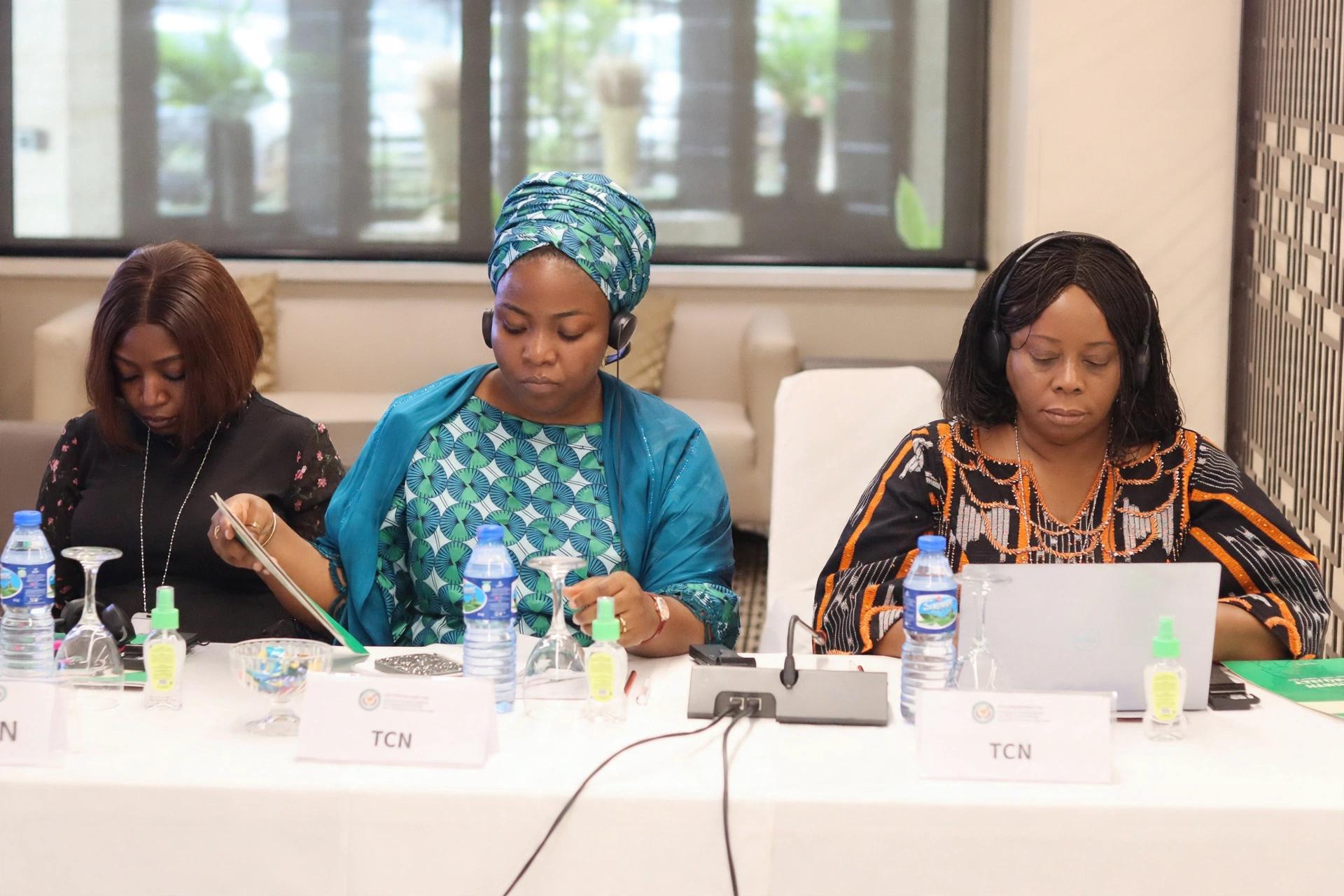
The milestone was announced during the 8th Joint Supervision Mission of the project’s financing partners in Abuja, where officials reviewed progress and identified measures to accelerate the remaining works across Benin, Burkina Faso, Niger, Nigeria and Togo.
Representing the Chairman of the WAPP Executive Board and Managing Director of the Transmission Company of Nigeria (TCN), Engr. Aminu Tahir said the project had reached a critical stage requiring stronger collaboration, swift decision-making and sustained commitment from all stakeholders.
According to him, the progress achieved reflects years of work by engineers, technicians, governments and development partners, stressing that the focus must now shift to completing outstanding infrastructure and delivering a robust power network capable of supporting regional electricity trade.
WAPP Secretary General, Abdoulaye Dia, represented by Director of Planning, Investment Programming and Environmental Safeguards, Kodjo Afidegnon, described the project as a cornerstone of West Africa’s electricity integration agenda.
He noted that since its launch in 2019, the initiative has aimed to strengthen energy security, promote cross-border electricity exchanges and advance the regional power market.
Despite facing major setbacks including insecurity, flooding, the COVID-19 pandemic, supply chain disruptions, political instability and border closures, the project has continued to register significant progress.
In Benin, the Malanville substation has been provisionally accepted, while work continues on the Niger River crossing. Burkina Faso has commissioned the Ouaga Est and Ouaga Sud-Est substations alongside 33 kilometres of transmission lines.
In Niger, key installations at Niamey II and Gazaoua have been operational since July, helping stabilise existing interconnection lines from Nigeria. Meanwhile, Nigeria is advancing work on its 330kV transmission line ahead of integration into the national grid.
Beyond physical infrastructure, the project has recorded notable social and environmental achievements, including compensation for 5,726 affected persons, the electrification of 170 communities in Burkina Faso and Niger, and the creation of 2,483 jobs along the project corridor.
The African Development Bank (AfDB) urged stakeholders to adopt a results-driven approach to tackle contractor performance issues, security concerns and implementation delays, warning that setbacks in any participating country could diminish the full benefits of the regional interconnection project.
The AfDB reaffirmed its commitment to supporting participating nations and WAPP in addressing outstanding challenges and ensuring the project’s successful completion.
Once completed, the WAPP North Core Project is expected to boost regional energy integration, facilitate cross-border power trade and strengthen electricity reliability across West Africa, laying the foundation for a more connected and resilient regional power market.