

Connect with us

News

UNICEF Raises Alarm As Multi-Dimensional Poverty Afflicts Children In Jigawa

Published

on

By Mohammed Abubakar Dutse

The United Nations Children Fund (UNICEF) has raised alarm over the rampaging effects of multidimensional poverty ravaging children across Jigawa state.

For instance, according to UNICEF over 89% of children in the state were experiencing multi-dimensional poverty, with 85.6 percent living in conditions of monetary poverty emphasizing the urgent need for action from the 27 local government councils in the state to improve the lives of affected children and provide them with better opportunities for a brighter future.

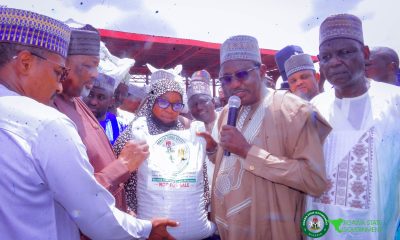
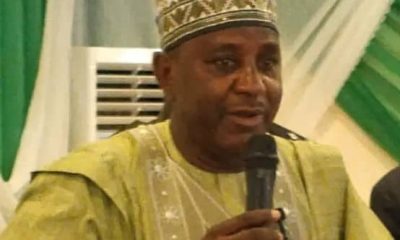
Rahama Mohammed Farah, the Chief of UNICEF Kano Field Office, made the disclosure at the launch and dissemination of the Jigawa General Household Survey, which was held at the banquet hall of the Government House in Dutse.

Represented by Micheal Banda Farah, he noted that the staggering “89.4 % of children who experience monetary poverty as 85.6% are multi-dimensionally poor in the state”.

Jigawa state ranked fourth in poverty index rate (PIR) according to the figure recently released by the National Bureau of Statistics, (NBS) in it’s 2024 reports.

According to Farah, “It is a sobering reality that 89.4% of children in the Jigawa state experience monetary poverty, while 85.6% are multi-dimensionally poor, facing deprivations in at least three critical areas, including Health, Education, Nutrition, Water Sanitation, Shelter, Access to Information, and Child Protection.

“These figures highlight the urgent need for collaborative action to reduce child poverty and improve the well-being of Jigawa’s children”.

He added “Together, we have achieved significant milestones, such as strengthening systems for measuring child poverty through the recent General Household Survey (GHS), developing key policies and action plans, and building the capacity of the government stakeholders”.

The chief field officer stressed that local government chairmen have a pivotal role to play in shaping the discourse and actions needed especially to address child poverty in the state using evidence generated for multi-sectoral planning.

The UNICEF chief maintained the challenges can be addressed by strengthening collective efforts and putting in place measures that will ensure the Utilization of Local Government data to inform planning and decision-making as well as Designing and implementing of structured social protection interventions targeting poor and vulnerable children.

“Other measures are approval of the elaborated social protection policy, passage of the revised social protection bill into law, increased budgetary allocations for child-specific programming across social sectors using the available data particularly in Health, Education and Social Protection and Scaling up birth registration for children under five, with a target to increase the current rate by at least 30%”.

Advertisement
Click to comment

Leave a Reply

Your email address will not be published. Required fields are marked *

RENEWED HOPE AGENDA

HAPPY BIRTHDAY

Our Naira Our Pride

NNPC: WE ARE HIRING

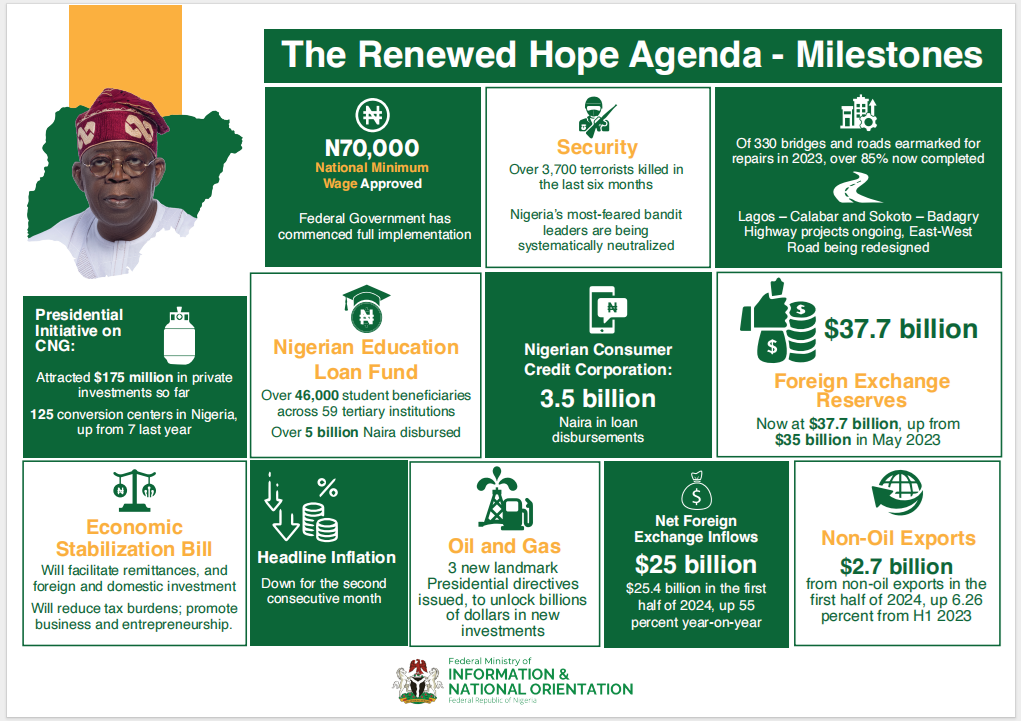
THE RENEWED HOPE AGENDA

ADVERTISEMENT

PRESS RELEASE

Click to read full text


CAVEAT EMPTOR

Advertisement

CBN Advert

Click the link to visit
Advertisement
Advertisement
Advertisement

Happy New Year

Facebook

Advertisement
Advertisement

Breaking News...