The Director General of the West African Health Organization (WAHO), Melchior Athanase J.C. AÏSSI has called for concerted efforts towards strengthening the capacity of the ECOWAS Regional Center for Disease Surveillance and Control (CRSCM) to achieve the objective for which it was created.
He canvassed this at the backdrop of citing that in recent years, an average of 40 new outbreaks of emerging and re-emerging diseases such as Ebola, Marburg, COVID-19, Monkeypox have been recorded in ECOWAS.
J.C. AÏSSI spoke Thursday while declaring open seventh meeting of the Board of Directors of the ECOWAS Regional Center for Disease Surveillance and Control (CRSCM) taking place in Abuja, Nigeria.
He explained that beefing up the capacities of CRSCM was critical to facilitate strengthening capacities for surveillance, disease prevention, response and resilience to epidemics and other health emergencies in the ECOWAS region.
He underscored the importance of regular meetings of the Board of Directors of CRSCM which he noted affords it the opportunity to review the activities carried out, reassure on the lessons learned and propose actions for the next steps of the work plan for the period.
The WAHO Director General charged the Board to among others, discuss updates on the epidemiological situation in West Africa and find out about the level of progress made from November 2021 to March 2023 in the CRSCM work plan
Further, he urged the Board to identify the bottlenecks as well as the appropriate corrective measures to support the activities of the said center, and to plan the next steps as well as strengthen the structural and strategic operationalization of the CRSCM.
According to the WAHO Director General, “If irreversible progress has been made in the context of health security in the ECOWAS region, it is far from sufficient. Unacceptable gaps remain within and between countries.
“We can no longer view health security as a cost, but rather as an investment that forms the foundation of our productive, resilient and inclusive economies and societies.
“For this, we would like to emphasize the establishment of a consolidated community approach and sensitive alert mechanisms for the early detection of the main threats.”
He stressed that WAHO should build on the existing strong and renewed partnerships to effectively prevent, detect and respond to public health events in West Africa.
He urge the Board of Directors to come up with new, bold and innovative, achievable and practical ideas to guide and support countries investing in health security for the benefit of the people.
He expressed hope the meeting would be able to come up with some fairly clear and actionable recommendations that will strengthen the role of the CRSCM in the ECOWAS region.
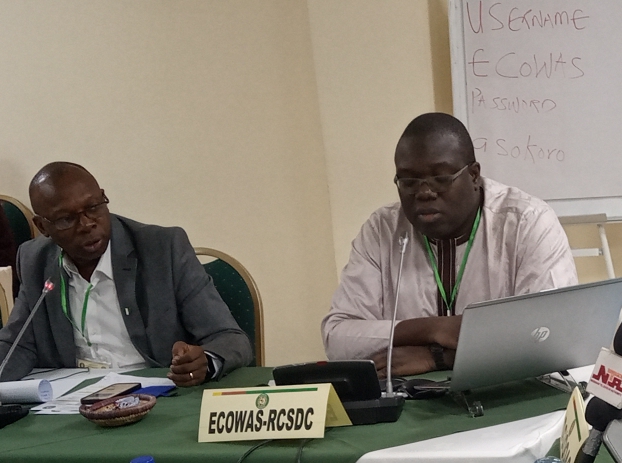
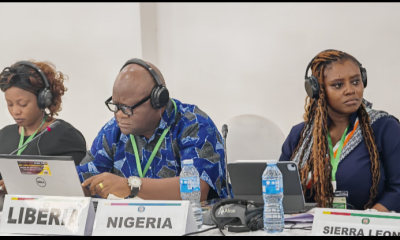
Earlier, presentations were made by Prof Issiaka Sombie, Director, Public Health & Research, WAHO; Dr. Virgil Lokossou, Executive Director, ECOWAS Regional Centre for Surveillance & Disease Control (RCSDC) and representatives of WAHO member states.
The presentations include: Follow-up on the recommendations of the 6th Governing Board meeting and the level of implementation of the 2019 work plan; Updates on the regional epidemiological status and priority issues were shared and discussed with the ECOWAS – RCSDC Board of
Directors; the RCSDC/ECOWAS work plan for 2023 was presented and
discussed; Bottlenecks and implementation challenges of ECOWAS –RCSDC were shared and discussed and the next steps and prospects are agreed.