Connect with us

News

Opposition Under Pressure As Tinubu Nominates New INEC Commissioners Ahead of 2027 Election

Published

on


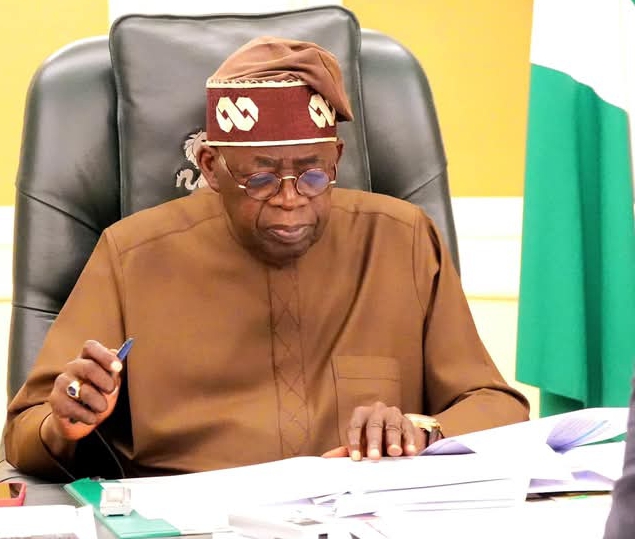
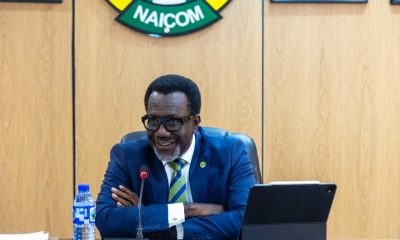
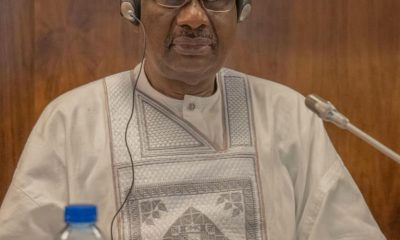
With barely three months to the fiercely contested January 16, 2027 presidential election, President Bola Ahmed Tinubu has nominated four new National Commissioners and two Resident Electoral Commissioners (RECs) for the Independent National Electoral Commission (INEC), a move already stirring debate over the neutrality of the electoral body.


The nominations come amid growing public scepticism towards INEC and accusations by opposition parties that the ruling All Progressives Congress (APC) is using state institutions to weaken political competition ahead of the polls.


Across several states, opposition parties have alleged that they are being denied permits to campaign, prevented from erecting billboards, and in some cases blocked from displaying campaign posters, raising concerns about the fairness of the electoral environment.

Against this backdrop, President Tinubu has asked the Senate to expedite the confirmation of the new nominees, citing the need to fill vacancies created by expiring tenures before the forthcoming general elections.

Among the appointments is the reappointment of Dr Bala Bila as National Commissioner representing the North East.


The President also nominated Professor Mustapha Aliu to replace Professor Abdullahi Zuru as National Commissioner for the North West, while Bashir Muhammed Umar is expected to replace Professor Muhammad Adamu as National Commissioner representing the North Central zone.


In the South West, Mrs Oluwatoyin Babalola, currently Resident Electoral Commissioner in Osun State, has been nominated to replace Professor Cornelius Ajayi, whose tenure expires later this month.


The two new Resident Electoral Commissioner nominees are retired Permanent Secretary Dr Samuel Akinjide Akinleye for Ekiti State and Zahradden Basiru Sanusi from Jigawa State.


While the Presidency describes the appointments as routine replacements necessitated by constitutional requirements, critics argue that changes to the composition of INEC so close to an election involving an incumbent president are bound to attract scrutiny, especially at a time when public confidence in the commission remains fragile.


For many observers, the nominations are likely to intensify debate over whether Nigeria’s electoral umpire can convince voters that it remains independent and impartial as the nation approaches one of its most consequential elections in recent history.

Advertisement
Click to comment

Leave a Reply

Your email address will not be published. Required fields are marked *

RENEWED HOPE AGENDA

NRS: MANAGE YOUR TAXES ONLINE

Our Naira Our Pride

NNPC: WE ARE HIRING

THE RENEWED HOPE AGENDA

ADVERTISEMENT

PRESS RELEASE

Click to read full text


CAVEAT EMPTOR

Advertisement

CBN Advert

Click the link to visit
Advertisement
Advertisement
Advertisement

Happy New Year

Facebook

Advertisement
Advertisement

Breaking News...