By LOVETH-AZODO CHIJIOKE, Lagos
Nigeria’s insurance recapitalisation exercise was fought not only in boardrooms and regulatory offices but also across the media landscape, where news reports, analysis and public commentary helped shape perceptions of the reforms among insurers, shareholders, investors and policyholders.
The media played a significant role in bringing the exercise into public discourse, scrutinising the preparedness of insurance companies and examining the implications of the new capital requirements for the industry. However, the coverage also underscored the need for accuracy, responsible reporting and a clear distinction between established facts and market speculation.
The recapitalisation was introduced to strengthen the financial capacity of insurance companies and enable them to underwrite larger risks. Following the enactment of the Nigerian Insurance Industry Reform Act (NIIRA) 2025, new minimum capital requirements were established, ranging from N10 billion for life insurance companies to N35 billion for reinsurers. The July 31, 2026 deadline consequently became a major focus of attention across the insurance industry.
Throughout the process, newspapers, television stations, online platforms and specialist insurance publications served as important channels for communicating the objectives and implications of the reforms. Reports on capital-raising efforts, possible mergers and acquisitions, investor participation and companies’ readiness helped bring the exercise closer to shareholders and the wider public.
The media also played an agenda-setting role by prompting discussions about the financial strength of insurers, their capacity to meet policyholder obligations and the possible consequences for companies that failed to satisfy the new requirements. By translating complex regulatory provisions into accessible language, journalists helped investors and policyholders understand developments in an industry whose operations are often viewed as technical and difficult to navigate.
For shareholders, the coverage provided a basis for questioning company boards about their recapitalisation plans and financial preparedness. For policyholders, it raised important questions about whether stronger capital requirements would improve claims settlement, service delivery and confidence in insurance.
Yet, beyond its positive contributions, the exercise exposed the risks associated with financial reporting driven by speculation.
At various stages, reports about companies that might fail to meet the requirements, pursue mergers or seek new investors sometimes risked blurring the line between possible outcomes and established facts. While such developments may be legitimate subjects of investigation, presenting unconfirmed possibilities as settled outcomes can create misleading impressions.
This distinction is particularly important in insurance, where public confidence is central to the industry’s operations. Reports that generate perceptions of financial weakness or uncertainty can influence the decisions of shareholders, investors and customers, even when the underlying claims have not been established.
The responsibility of the media, therefore, extended beyond reporting the progress of recapitalisation. It required journalists to distinguish verified information from expectations, allegations from established findings, and regulatory requirements from rumours.
As the deadline approached, the pressure on insurers to raise capital and complete the verification process intensified. The National Insurance Commission (NAICOM) repeatedly maintained that the deadline would not be extended, making compliance a central concern for operators and their shareholders.
Media scrutiny helped sustain public attention on the process and ensured that the preparedness of insurance companies remained a subject of discussion. However, the extent to which such coverage directly influenced individual companies’ decisions cannot be assumed without evidence. What was clear was that recapitalisation had become an issue of considerable public and industry interest.
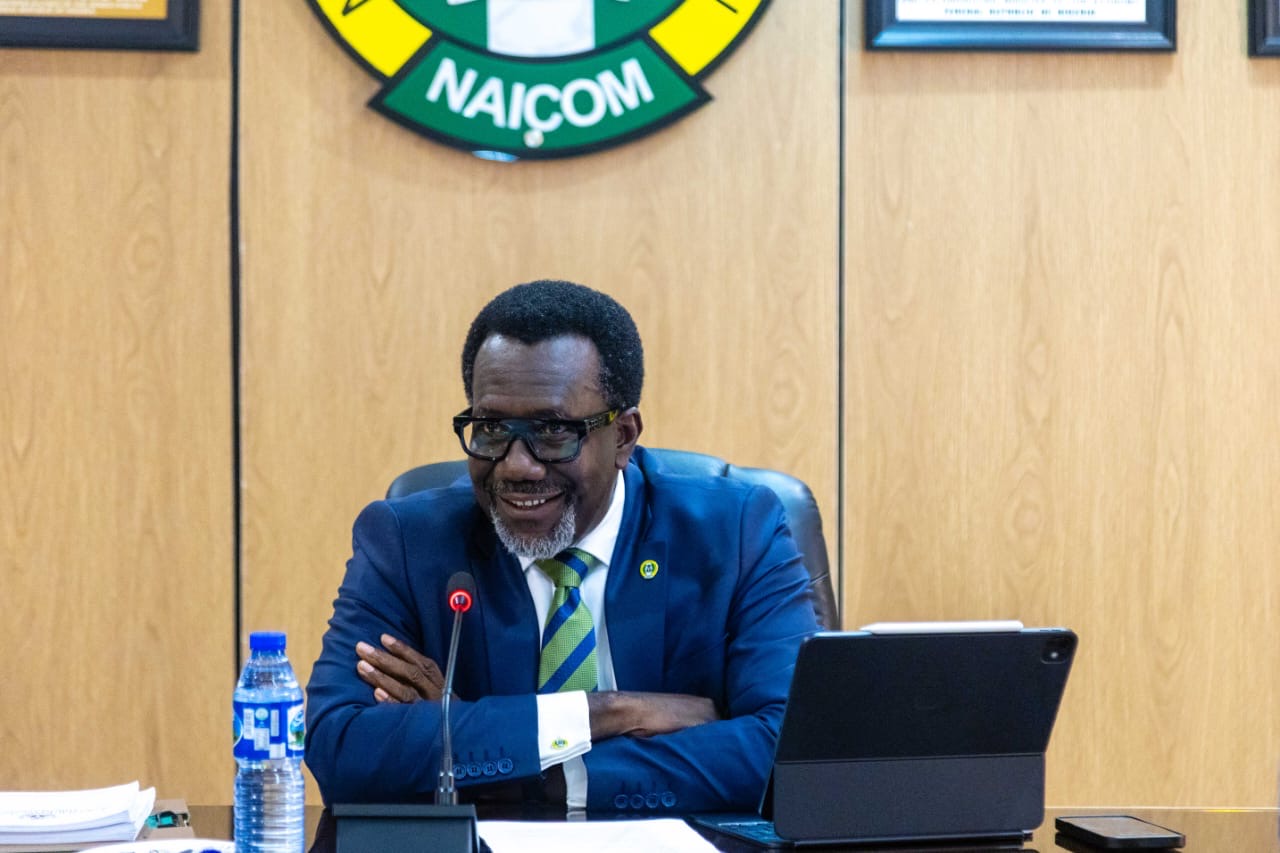
NAICOM also recognised the strategic importance of the media by engaging journalists and providing explanations of its policies and implementation process. Such engagement helped communicate regulatory expectations and provided opportunities for questions about the reforms.
Nevertheless, the relationship between regulators and journalists must remain grounded in accountability rather than public relations. Regulatory briefings and official statements are important sources of information, but they should not replace independent scrutiny. Journalists must continue to question official claims, seek perspectives from relevant stakeholders and assess assertions against available evidence.
The completion of the recapitalisation exercise marked a significant milestone for the industry. NAICOM ultimately confirmed 48 insurance companies and two reinsurers as compliant, while reporting that approximately N1.079 trillion in capital had been generated through the exercise.
These figures provide an important measure of the industry’s response to the new requirements. However, the amount of capital raised and the number of companies that met the regulatory threshold cannot, on their own, establish whether the exercise has achieved its wider objectives.
The more consequential test will be whether the stronger capital base translates into improved underwriting capacity, better risk retention, stronger corporate governance and more efficient claims settlement.
This is where the next phase of media coverage becomes particularly important. Having followed the capital-raising process, journalists must now examine how the additional financial strength is being deployed and whether it is producing measurable benefits for policyholders and the wider economy.
Are insurers better positioned to retain larger risks locally? Are legitimate claims being settled more promptly? Have governance standards and risk management practices improved? Are customers receiving better services? And is public confidence in insurance increasing?
These questions should guide reporting on the industry’s performance after recapitalisation. They will also help determine whether the reforms have moved beyond regulatory compliance to deliver meaningful improvements in insurance protection.
The media must equally examine whether the enlarged capital bases are being managed prudently, whether insurers are investing in the technology and professional expertise required to manage more complex risks, and whether their products are becoming more accessible and relevant to Nigerians.
Such scrutiny should be evidence-based and sustained, rather than limited to major announcements or regulatory milestones. It should recognise genuine progress while drawing attention to shortcomings where the available facts support such conclusions.
Nigeria’s recapitalisation exercise has created an opportunity to build a stronger insurance industry. Realising that opportunity, however, will depend on how operators deploy their capital, how regulators enforce standards and how effectively the industry responds to the needs of policyholders.
The media’s responsibility is to remain an independent watchdog, an interpreter of complex industry developments and a mechanism for holding institutions accountable. It should neither become an uncritical voice for regulators and operators nor amplify speculation at the expense of verified information.
Ultimately, the story of recapitalisation should not end with the companies that met the new requirements or the capital raised. Its lasting significance will be determined by whether the reforms produce financially stronger insurers, better protection for policyholders and greater public trust in Nigeria’s insurance industry.

















 Business News1 week ago
 News1 week ago
 Business News1 week ago