As the Federal Government moves to expand electricity access through new off-grid investments, it has simultaneously sought to calm public anxiety over electricity costs, declaring that no tariff increase is planned.
This is even as long-disconnected communities in Niger State secure power restoration through political intervention and negotiated payment arrangements.
At the centre of the government’s latest power push is the groundbreaking of five interconnected mini-grid projects in Oyo State with a combined capacity of 17.7 megawatts and an accompanying battery storage system.
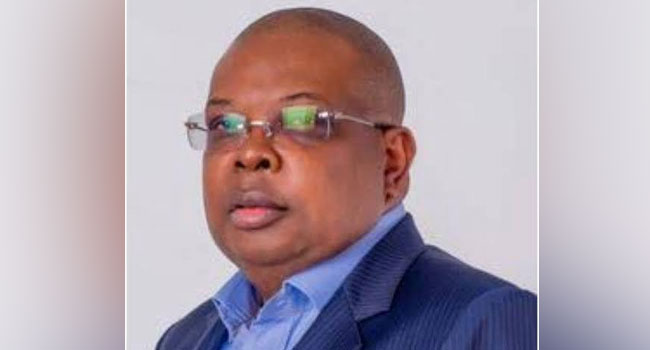
Announcing the projects, Minister of Power Joseph Tegbe dismissed reports of an impending electricity tariff hike, insisting that the government’s immediate focus is delivering reliable, round-the-clock electricity supply rather than increasing consumer costs.
The Oyo projects, located across Akinyele, Ido, Ibadan North, Egbeda and Lagelu local government areas, are expected to improve power supply to homes and businesses, reduce dependence on generators and stimulate investment and job creation.
Backed by the World Bank and implemented through the Rural Electrification Agency and private-sector partners, the mini-grids form part of the Tinubu administration’s broader strategy to expand electricity access and ease pressure on the national grid.
Tegbe said the government is pursuing the development of strategic energy corridors covering Lagos-Ogun, Abuja-Kaduna-Kano and Benin-Enugu-Port Harcourt, alongside upgrades to key generation and transmission infrastructure across the country to improve grid stability and support a future of 24-hour electricity supply.
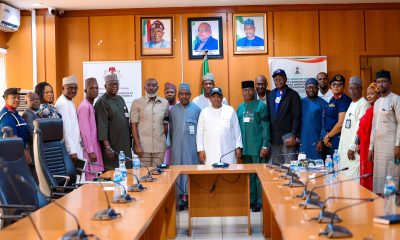
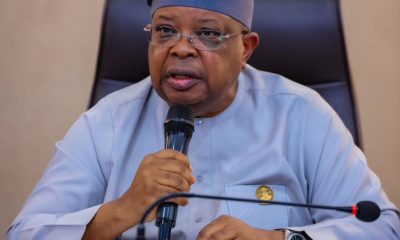
Meanwhile, in Niger State, the Niger Electricity Distribution Limited (NEDL) announced the reconnection of the Shiroro-Gwada and Shiroro-Erena feeders after stakeholder engagements led by the state’s Deputy Governor produced a framework for improved service delivery and a sustainable payment arrangement.
The restoration underscores a recurring challenge in Nigeria’s power sector: while government and investors continue to roll out new infrastructure, access to stable electricity often depends as much on community relations, payment compliance and political mediation as on generation capacity itself.
NEDL said the agreement reflects a commitment by all parties to strengthen cooperation, improve customer experience and sustain electricity services in the affected communities.
Together, the Oyo mini-grid rollout and the Niger feeder reconnection highlight both sides of Nigeria’s electricity transition: an ambitious drive to expand power infrastructure and the continuing struggle to make electricity supply reliable, affordable and sustainable for consumers.