
News
Nigeria Reacts To CFA Franc Change To “Eco” With Reservations, Response In Due Course

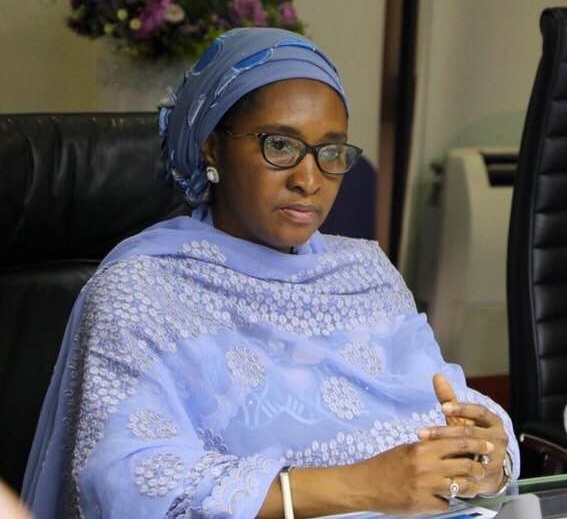
The Federal Government has received with shock and surprise the sudden change in name of UEMOA, the CFA Franc (Communaute Financiere d’Afrique) to Eco, saying that while “studying the situation”, it will “respond in due course”.
Eco is a name proposed many years ago and much talked about ECOWAS Single currency being championed by member countries of the ECOWAS region
The CFA franc, is a currency used by eight states in West and Central Africa, most of them former French colonies. The French-backed currency was established in 1945 and initially pegged to the French franc. Former French colonies Benin, Burkina Faso, Ivory Coast, Mali, Niger, Senegal and Togo still use the currency, as does Guinea-Bissau.
The shock and surprise is against the backdrop of non-convergence and attainment of the prerequisites for the introduction of the common currency by most member countries of the ECOWAS sub-region.
A statement by the Minister of finance, Budget and National Planing, Zainab Ahmed said “Nigeria has received the news of the change of name of the UEMOA Currency, the CFA (Communaute Financiere d’Afrique) to Eco supposedly as the ECOWAS Single Currency.
The statement signed by the Special Adviser, Media and Communication to the Minister, Yunusa Tanko Abdullahi, added that “Nigeria is studying the situation and would respond in due course.”
The West African Monetary Zone (WAMZ) and ECOWAS central bank governors had been at the forefront of introducing the Eco common currency and had been working on the convergence of the criteria among the member nations.
The four primary criteria to be achieved by each member country are: A single-digit inflation rate at the end of each year; fiscal deficit of no more than 4% of the GDP; central bank deficit-financing of no more than 10% of the previous year’s tax revenues; Gross external reserves that can give import cover for a minimum of three months.
The six secondary criteria to be achieved by each member country are: Prohibition of new domestic default payments and liquidation of existing ones; Tax revenue should be equal to or greater than 20 percent of the GDP; Wage bill to tax revenue equal to or less than 35 percent; Public investment to tax revenue equal to or greater than 20 percent; a stable real exchange rate and a positive real interest rate.




Click to read full text








WAEC Defends 2026 Results As Legal Threats Mount Over Alleged Irregularities

THE PROPOSED OPPOSITION CONSENSUS CANDIDACY

Vandals On Rampage, Destroy Five Transmission Towers Along Ikot Abasi – Eket 132kV Line

FG flags Off Smart Meters Installers Training programme, Targets Installing Seven Million Meters Nationwide

MPC Meeting: Nigeria’s Economy Remains Resilient To External Shocks, Cardoso Assures As Members Commit To Sustain Financial Stability

NHRC Tasks FG, State Govts, People Of Means To Make Practical Interventions Towards Combating Poverty, Inequity


-

 Business News1 week ago
Asset Integrity, Life Extension, Fixing Obsolescence Key To Sustaining Value For Independents – Seplat CEO
-

 News5 days ago
Police Arrest Clergyman, Air Force, Navy Personnel Over Alleged Plot To Kidnap Bishops’ Wives In Plateau
-
 News1 week ago
Gov Abiodun Commends Army, Police, DSS, Others For Intelligence-led Rescue Of Five Kidnapped Poly Students, Two Others