Communication managers have been counseled on the need to be vigilant and proactive in their operations in order to curb the growing propagation of fake news and promptly mitigate its consequences.
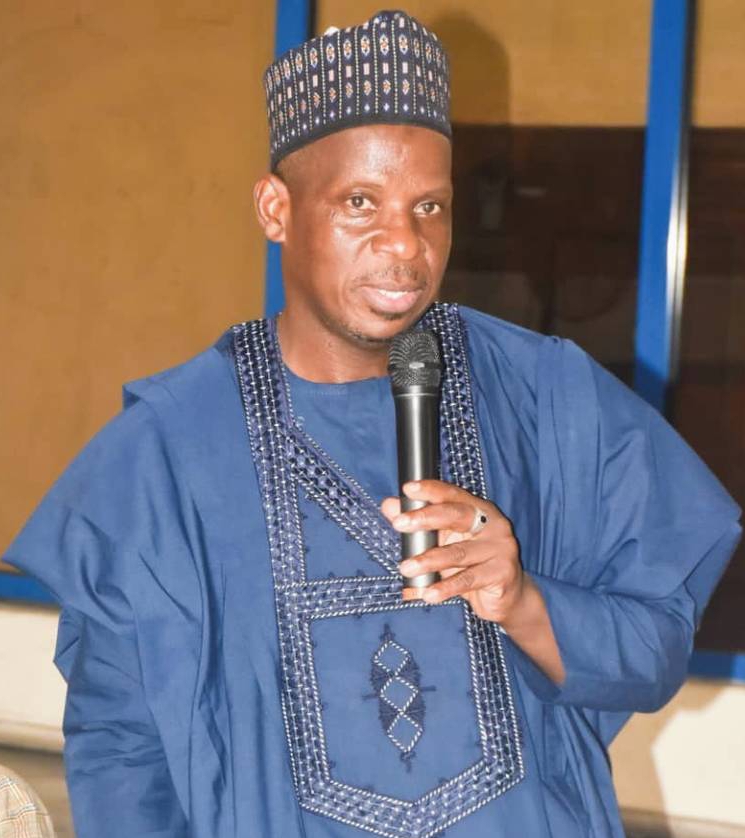
The Managing Director of the News Agency of Nigeria (NAN)/Chief Executive Officer, Ali Muhammad Ali, gave the advice while making presentation on “Professional News Management as panacea for Infodemics, Misinformation and Fake news” at a just concluded two-day solution seeking roundtable on the present security challenges in Nigeria.
The theme of the roundtable was “Asymmetrical National Security Challenges, the Army and National Development”, and organised by Nigerian Army Resources Centre in collaboration with Development Specs Academy in Abuja, June 24-25, 2024.
Muhammad Ali painted the devastating consequences of Infodemics, Misinformation and Fake news drawing instances from Nigeria’s experiences, if not deliberately and consistently managed.
He enumerated that the damaging consequences of misinformation and fake news include among other things, fueling social unrest, violence, and even genocide; spreading harmful beliefs and behaviors; eroding trust in institutions, media, and experts; deepening political polarisation by reinforcing biases and prejudices; causing financial losses; and damaging one’s reputation and credibility.
He observed that since the advancements in technology have given rise to uncontrollable spread of misinformation and fake news through social media, it is reposed on communication experts and information managers to remain at alert to manage information in a way that will promote the public good.
The NAN Chief Executive Officer proffered that media and communication managers must uphold truthfulness and accuracy, be timely in countering misinformation and fake news, craft contents in an interesting manner to attract attention, work with friendly credible media influencers, be readily available to talk on issues rather than being begged, and ensure that staff of institutions or organizations are conversant with digital media.
According to Muhammad Ali, “First, we must uphold truthfulness and accuracy in combating infodemics, misinformation and fake news if we are to build trust with the public. The authenticity of a message reinforces that copy or communication. When people perceive the message to be authentic, they tend to believe it the more and show understanding. Genuineness or sincerity is critical in winning the people over.
“For example, through sustained information outflows by certain institutions (Army, Police, first emergency responders, Lagos government etc,) the Lekki Gate false narratives during the #EndSARS protest was debunked as a ” massacre without bodies!”
“We must also be timely in countering misinformation. This entails striking a balance between speedily responding and the volume of information available. A burning issue should not be allowed to fester before we react although there are times when silence is said to be golden until an auspicious time when a valid response would be desirable.
“Because misinformation and fake news are crafted to be sensational, we must also craft our responses in an interesting manner that would attract attention given the crowded media space and the competition for attention. We must also work with friendly media influencers who are credible and have the capacity to push out copies which grab media attention.
“Regular communication through constant engagements is critical, especially for institutions of state. They must always talk to the people and not the people begging them to react to issues as they break. In effect, we must be proactive rather than reactive in communication.
“Institutions of state in particular must promote digital literacy among their communications professionals, especially now that the media landscape is constantly in a state of flux.”















 Business News6 days ago
 News1 week ago
 News7 days ago