
Business News
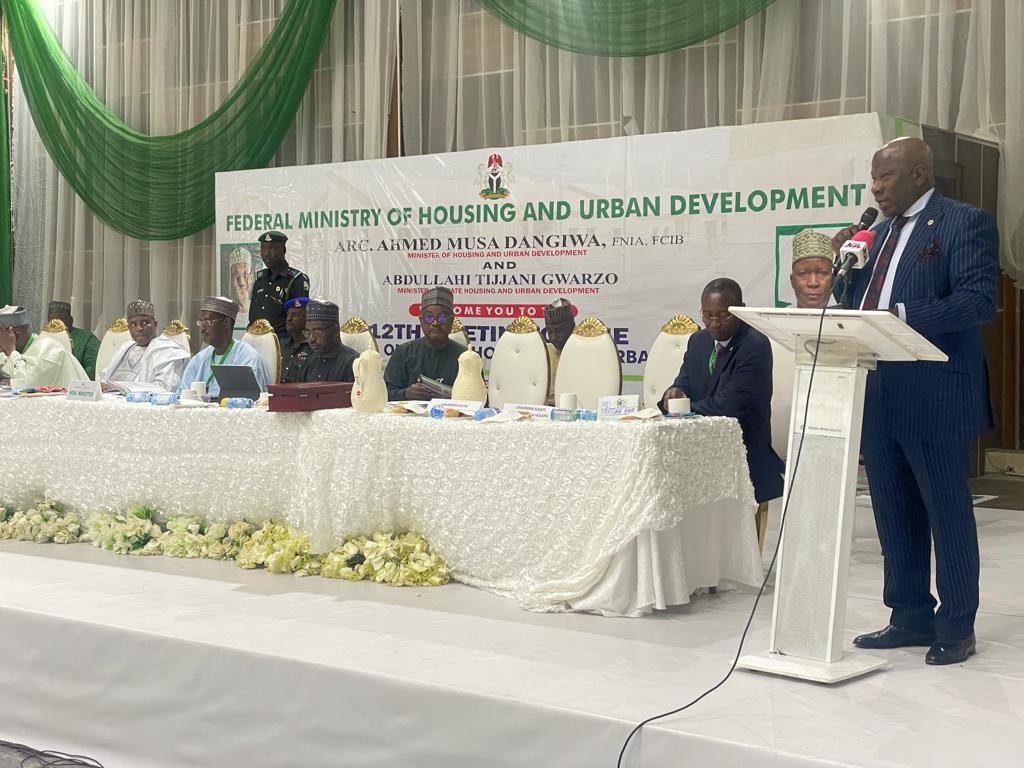
NAICOM Urges Governments To Prioritize Insurance For Public Buildings, Constructions In Annual Budgets






Click to read full text









Business News2 hours ago
AECA Congratulates Abdulrazaq Isa, Bala Wunti, On Respective Emergence As Chairman, CEO World Energy Council Nigeria

Business News12 hours ago
President Tinubu Charges NLNG Board To Convert Gas Flaring Into Nation’s Economic Benefit

Business News15 hours ago
FG Unveils RAMCO, Vows To End Cycle Of Neglected Power Infrastructure

Business News4 weeks ago
MPC Meeting: Nigeria’s Economy Remains Resilient To External Shocks, Cardoso Assures As Members Commit To Sustain Financial Stability

News1 week ago
NERC Gives PHED 60-Days To Incorporate PHED SubCo To Oversee Interstate Power Supply As AKSERC Assumes Electricity Oversight

News5 days ago
Electricity For Underserved Communities: REA, Alpha Morgan Bank Collaborate On ₦50 Billion Financing Facility To Accelerate Access


-
 News1 week ago
NERC Gives PHED 60-Days To Incorporate PHED SubCo To Oversee Interstate Power Supply As AKSERC Assumes Electricity Oversight
-
 News5 days ago
Electricity For Underserved Communities: REA, Alpha Morgan Bank Collaborate On ₦50 Billion Financing Facility To Accelerate Access
-

 News1 week ago
FG Commends TCN Over Transmission Infrastructure Upgrade, Says It Reflects Administration’s Policy Targets