
News
Electricity Restored In Maiduguri Two Months After Boko Haram Attack









Click to read full text








For Records24 hours ago
Measuring Benefits Of Imo State Under The APC-Led Federal Government

Business News1 day ago
AECAF Congratulates Abdulrazaq Isa, Bala Wunti, On Respective Emergence As Chairman, CEO World Energy Council Nigeria

Business News2 days ago
President Tinubu Charges NLNG Board To Convert Gas Flaring Into Nation’s Economic Benefit

Business News4 weeks ago
MPC Meeting: Nigeria’s Economy Remains Resilient To External Shocks, Cardoso Assures As Members Commit To Sustain Financial Stability

News1 week ago
NERC Gives PHED 60-Days To Incorporate PHED SubCo To Oversee Interstate Power Supply As AKSERC Assumes Electricity Oversight

News6 days ago
Electricity For Underserved Communities: REA, Alpha Morgan Bank Collaborate On ₦50 Billion Financing Facility To Accelerate Access


-
 News1 week ago
NERC Gives PHED 60-Days To Incorporate PHED SubCo To Oversee Interstate Power Supply As AKSERC Assumes Electricity Oversight
-
 News6 days ago
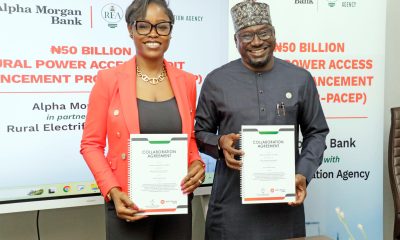
Electricity For Underserved Communities: REA, Alpha Morgan Bank Collaborate On ₦50 Billion Financing Facility To Accelerate Access
-
 Business News1 day ago
AECAF Congratulates Abdulrazaq Isa, Bala Wunti, On Respective Emergence As Chairman, CEO World Energy Council Nigeria