
News
ECOWAS Sets Ready Physical, Regulatory Structures For Regional Electricity Market

*As WAPP, ERERA Initiates Payment Guarantees For Power Sales
By CLEMENT NWOJI, Abuja
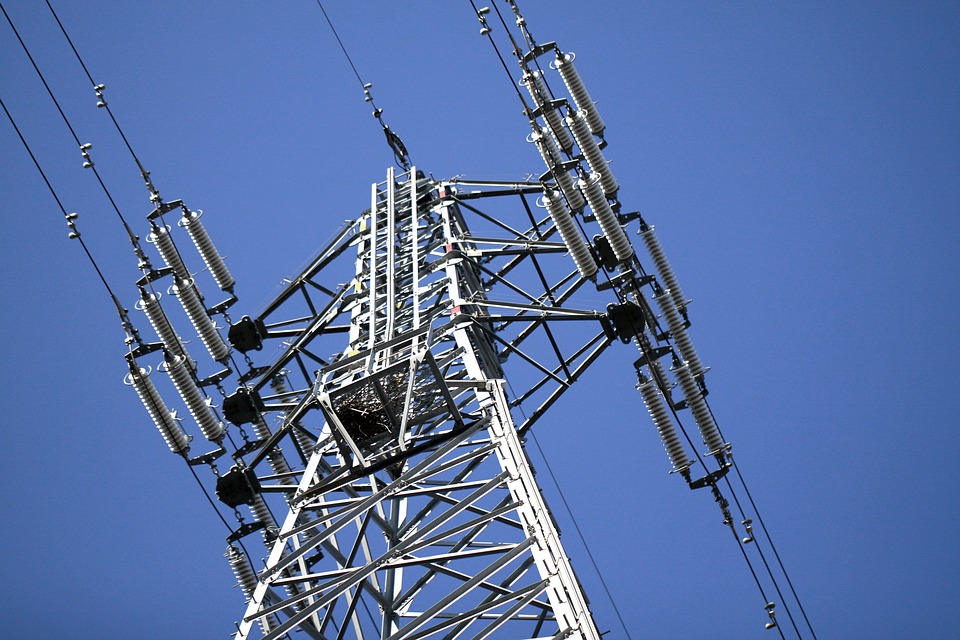
ECOWAS Commission said it has put the necessary physical, regulatory and security structures for the commencement of the regional electricity market to boost cross border energy trade and economic expansion of member nations.
The two agencies of ECOWAS through which the project is being realized are under the auspices of West African Power Pool (WAPP) headed by the Managing Director of Transmission Company of Nigeria, Usman Gur Mohammed, as Chairman and the ECOWAS Regional Electricity Regulatory Authority (ERERA), head by Professor Honore Bogler.
The members of WAPP and ERERA were in Nigeria on sensitization tour about the forthcoming launching of the electricity market scheduled in Cotonou between June 25-29, 2018.
The WAPP Chairman explained while fielding question from Journalists that there is mechanism already put in place to ensure efficient performance by the distribution companies to enable them to collect the money expected to be generated from sells of electricity.
According to him, “What we are doing in WAPP is that there is a mechanism on how to improve performance by the distribution companies. It is one of the priority programme of WAPP because for us to ensure successful cross border business, the payment system must be ensured.
“And there cannot be good payment mechanism if those who are distributing the electricity cannot bring the money. The success of the market depends on the ability of the distribution companies to perform.”
Also speaking, the Chairman of ERERA, Professor Honore Bogler said that the process of bringing electricity to the people is an investment and no power should be left unutilised as the product cannot be stored.
He said: Bringing electricity to the people is a question of investment. While you are working to bring electricity to your people in your country, you may have electricity remaining you need to sell because the producer expect to be paid even if you are not giving it to your people.
“You have to sell it to somebody that is in need. It will help your electricity economy because the money you get will help in connecting your people. You cannot just sit and wait, you cannot store it, so you have to sell it to somebody else.”
On the need for payment for electricity supplied, Mohammed said that already, Nigeria is on trading business with Benin Republic and is selling 260 MW on daily basis to Benin just as selling to Niger Republic about 120 MW daily.
He said: “Though the market is not very ripe. So, who is guaranteeing the performance of the market when the loss is very high? It is the government that is subsidizing the market. That is why we are working to improve the performance of those distribution companies.
“If government is guaranteeing the energy, it means less money for roads and less money for health and so on and that is why we are working to ensure that the market operate properly, meaning that the distribution companies should be able to collect their money so that the government does not have to guarantee everything. This applies not only in Nigeria but across the West African countries.
We are organizing a workshop here in Nigeria by WAPP next month where all distribution companies in West Africa will come here so that we discuss, they share expriences.
The Secretary General of WAPP, KI Siengui Appolinaire, said “if you want to have a market that is strong, at least the people who are selling have to be paid.”
He said that going by the WAPP study sponsored by the World Bank on how to secure the payment system, they have identified two issues of strengthening the distribution companies and guaranteeing securing of the trade by the governments.
He said this would ensure that when you’re selling you will be paid and when you’re buying you will pay.


Click to read full text








President Tinubu Appoints Abel Olumuyiwa Enitan, Head Of Service As Walson-Jack Retires

Beyond Capital: The Compliance Issues That Kept Some Insurers Off NAICOM’s List

2027: Tinubu Will Lose, Maybe Before 4pm, In Free, Fair Election — Baba-Ahmed

FG flags Off Smart Meters Installers Training programme, Targets Installing Seven Million Meters Nationwide

MPC Meeting: Nigeria’s Economy Remains Resilient To External Shocks, Cardoso Assures As Members Commit To Sustain Financial Stability

NHRC Tasks FG, State Govts, People Of Means To Make Practical Interventions Towards Combating Poverty, Inequity


-
 News1 week ago
NISO Pledges Collaboration With State Regulators To Deepen Electricity Supply As GOSERC Reveals Upcoming 30 Mini-grids
-
 Business News7 days ago
TCN Boosts Power Transmission In Rivers State, Commissions 150MVA Power Transformer at Afam Substation
-
 News1 week ago
NHRC Urges DSS, Police To Arrest Sheikh Jingir Over Trending Controversial, Inciting Hate Speech