
News
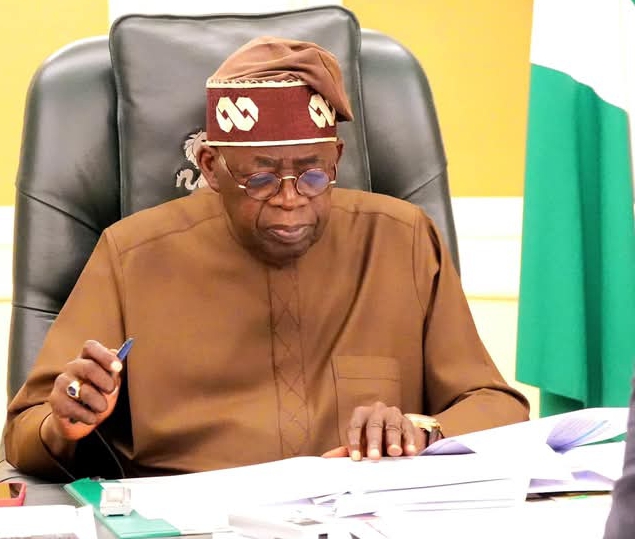
Opposition Under Pressure As Tinubu Nominates New INEC Commissioners Ahead of 2027 Election








Click to read full text









Business News19 hours ago
Benin Tanker Blast: NIA Pledges Prompt Claims Settlement, Urges Enforcement of Compulsory Insurance

For Records1 day ago
FORCEPA And The Battle For 2027: How Federal Agency Chiefs Are Reshaping Tinubu’s Re-election Strategy

Business News1 day ago
Peter Obi Declares Hunger in Nigeria A National Emergency On World Food Day

Business News2 weeks ago
Swift Telephone Network Recieves NCC’s Unified Access Service License, Ventures Into Full Telcom Services

Business News3 weeks ago
Post-Recapitalisation: Omosehin Tasks Underwriters on Capacity, Warns Capital Without Delivery is Meaningless

News2 weeks ago
Grid Stability, Reliability: FG Kickstarts Construction of Modern National Control Centre As Existing One Becomes Substandard


-

 Business News1 week ago
The Media Battle Over Insurance Recapitalisation: Separating Facts, Perceptions and Strategic Outcomes
-
 Business News6 days ago
WAPP Board Renews Chairman’s Tenure For Second Term As Engr Abdulaziz Advocates Cooperation
-

 Business News5 days ago
Group Applauds Naira’s Ranking Among Africa’s Strongest Currencies As Reflective Of Governments Economic Policies