The relevance of traditional medicine has come to the fore as the World Health Organization (WHO) is set to convene the Traditional Medicine Global Summit on 17 and 18 August 2023 in Gandhinagar, Gujarat, India.
Co-hosted by the Government of India, the Summit will explore the role of traditional, complementary, and integrative medicine in addressing pressing health challenges and driving progress in global health and sustainable development.
High-level participants will include the WHO Director-General and Regional Directors, G20 health ministers and high-level invitees from countries across WHO’s six regions. Scientists, practitioners of traditional medicine, health workers and members of the civil society organizations will also take part.
In pursuit of health for all
The Summit will explore ways to scale up scientific advances and realize the potential of evidence-based knowledge in the use of traditional medicine for people’s health and well-being around the world.
Scientists and other experts will lead technical discussions on research, evidence and learning; policy, data and regulation; innovation and digital health; and biodiversity, equity and Indigenous knowledge.
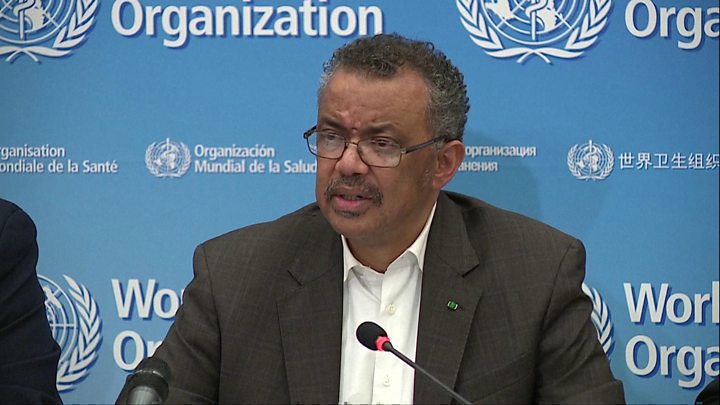
“Traditional medicine can play an important and catalytic role in achieving the goal of universal health coverage and meeting global health-related targets that were off-track even before the disruption caused by the COVID-19 pandemic,” said Dr Tedros Adhanom Ghebreyesus, WHO Director-General.
“Bringing traditional medicine into the mainstream of health care — appropriately, effectively, and above all, safely based on the latest scientific evidence — can help bridge access gaps for millions of people around the world. It would be an important step toward people-centered and holistic approaches to health and well-being.”
Heads of State and government at the 2019 UN high-level meeting on universal health coverage
acknowledged the need to include evidence-based traditional and complementary medicine services particularly in primary health care, a cornerstone of health systems, in pursuit of health for all.
Today, traditional and complementary medicine is well established in many parts of the world, where it plays an important role in the culture, health and well-being of many communities.
In some countries, it represents a significant part of the health sector’s economy, and for millions of people around the world it is the only available source of health care.
Advancing science on traditional medicine
Traditional medicine has contributed
to breakthrough medical discoveries and continues to hold out great promise.
Research methods such as ethnopharmacology and reverse pharmacology could help identify new, safe and clinically effective drugs, while the application of new technologies in health and medicine — for example genomics, new diagnostic technologies, and artificial intelligence — could open new frontiers of knowledge on traditional medicine.
Amid an expansion in the use of traditional medicine worldwide, safety, efficacy and quality control of traditional products and procedure-based therapies remain important priorities for health authorities and the public.
Natural doesn’t always mean safe, and centuries of use are not a guarantee of efficacy; therefore, scientific method and process must be applied to provide the rigorous evidence required for the recommendation of traditional medicines in WHO guidelines.
“Advancing science on traditional medicine should be held to the same rigorous standards as in other fields of health. This may require new thinking on the methodologies to address these more holistic, contextual approaches and provide evidence that is sufficiently conclusive and robust to lead to policy recommendations,” said Dr John Reeder, WHO Director of Special Programme for Research and Training in Tropical Diseases and Director of the Department of Research for Health.
The Summit will explore research and evaluation of traditional medicine, including methodologies that can be used to develop a global research agenda and priorities in traditional medicine, as well as challenges and opportunities based on 25 years of research in traditional medicine.
Findings from the systematic reviews of traditional medicine and health, evidence maps of clinical effectiveness, and an artificial intelligence global research map on traditional medicine will be presented.
A stronger evidence base will enable countries to develop appropriate mechanisms and policy guidance for regulating, ensuring quality control and monitoring traditional medicine practices, practitioners and products, according to national contexts and needs.
About the Summit
The 2023 WHO Traditional Medicine Global Summit is organized by the WHO Global Traditional Medicine Centre, and is co-hosted by the Government of India, which holds the G20 presidency in 2023 under the theme “One Earth, One Family, One Future”.
This will be the first in a series of WHO global summits on traditional medicine, which will be held every other year in different WHO regions.
Why now
For centuries, traditional, indigenous and ancestral knowledge has been an integral resource for health in households and communities, and it continues to form a significant part of healthcare in many regions: 170 of the WHO’s 194 Member States have reported on the use of herbal medicines, acupuncture, yoga, indigenous therapies and other forms of traditional medicines; many recognize traditional medicine as a valuable source of healthcare and have taken steps to integrate practices, products and practitioners into their national systems.
Today, traditional medicine has become a global phenomenon: demand is growing, with patients seeking greater agency and ownership of their health and well-being and seeking more compassionate and personalized health care. For millions, especially those living in remote and rural areas, it continues to be the first port of call for health and well-being, offering care that is culturally acceptable, available and affordable.













 Business News1 week ago
 News3 days ago