BY LOVETH-AZODO CHIJIOKE, Lagos.
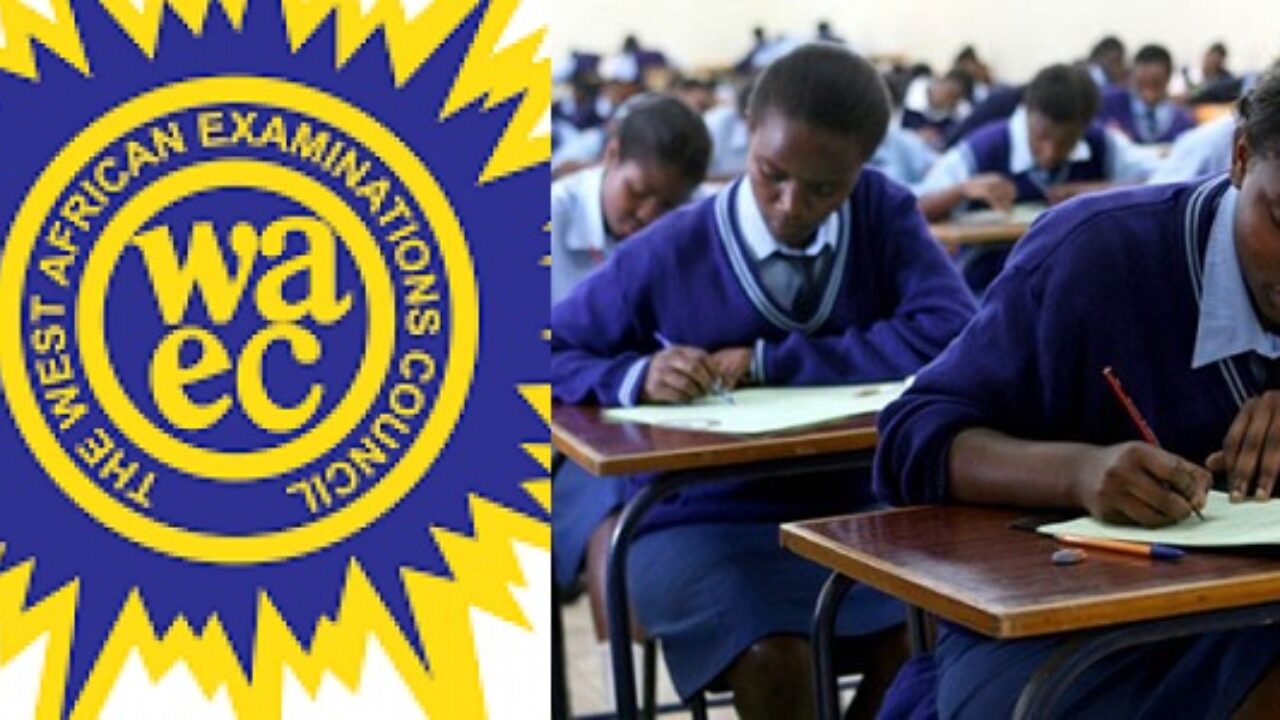
The West African Examinations Council (WAEC) has defended the integrity of its 2026 West African Senior School Certificate Examination (WASSCE) results as concerns over alleged irregularities in the results escalate, with an education advocate threatening legal action against the examination body.
The development comes after Alex Onyia, Chief Executive Officer of Educare and an education consultant, announced that his legal team had taken action against WAEC over what he described as serious concerns surrounding the recently released results.
Onyia said WAEC had been given 14 days to respond and take appropriate action, failing which further litigation would follow.
He alleged that there were problems with the results that WAEC had so far failed to publicly acknowledge, arguing that the consequences could affect students’ university admissions and other educational opportunities.
However, WAEC has rejected what it described as unverified claims questioning the credibility of the 2026 results, insisting that the examination was conducted and processed through its established quality-assurance procedures.
In a statement issued by its Public Affairs Department and signed by the Head of Public Affairs, Moyosola F. Adesina, on Thursday, August 13, WAEC said the results were produced through the same rigorous processes that have guided its operations for decades.
The Council said the 2026 examination was conducted in line with its standard operational procedures and relevant educational policies, in cooperation with the Federal Ministry of Education.
WAEC further explained that candidates’ scripts undergo multiple stages of marking, moderation and auditing, with standardised marking schemes and oversight by subject experts to promote objective and fair scoring.
The examination body also pointed to its existing channels for candidates and parents who have concerns about their results, urging members of the public to seek clarification through its offices and verified communication platforms rather than relying on social media claims.
Questions Over CBT, Grading
The controversy has nevertheless continued on social media, with Onyia raising questions about the treatment of candidates who sat the examination under different modes, including computer-based and paper-based arrangements.
In a separate post, he alleged that the grading process may involve statistical standardisation and questioned whether candidates who wrote examinations under different conditions were assessed within the same statistical population.
He also raised allegations concerning possible leakage of examination questions in some paper-based centres and argued that, if such irregularities occurred, they could potentially affect the overall distribution of scores and consequently the grading thresholds.
Onyia called for greater transparency over the process, including disclosure of raw scores, score distributions and the thresholds used to determine grades.
He also alleged that some candidates who challenged questionable results may have had their cases reconsidered, while other affected candidates may not know that review channels are available.
These claims have not been independently established, and WAEC, in its response, did not specifically confirm the allegations. Instead, the Council maintained that its examination and result-processing procedures were rigorous and quality assured.
Legal Battle May Follow
The latest development could now move the dispute beyond social media, following Onyia’s announcement that legal action had been initiated against WAEC.
According to him, the 14-day period is intended to give the examination body an opportunity to respond and take corrective action before litigation proceeds.
WAEC, meanwhile, has urged candidates and members of the public with concerns to use its established review and query-resolution channels.
The Council reaffirmed its commitment to maintaining the integrity of its assessment process and protecting the interests of candidates.
With thousands of Nigerian students depending on the 2026 results for admission and other academic opportunities, the emerging dispute now places renewed attention on how complaints over the results will be investigated and resolved.
For now, WAEC maintains that its results are credible and were produced through established procedures, while Onyia and those supporting his position are demanding further scrutiny and threatening legal action if their concerns are not addressed.
The next 14 days could therefore determine whether the disagreement remains a public controversy or develops into a full legal challenge to the examination body’s handling of the 2026 results.















 News5 days ago
 Business News1 week ago
 News1 week ago