
For Records
@66 Independence Anniversary, Congratulations Nigerians: How Much Longer Pains Persist?

By Chudi Okologbu Uwandu
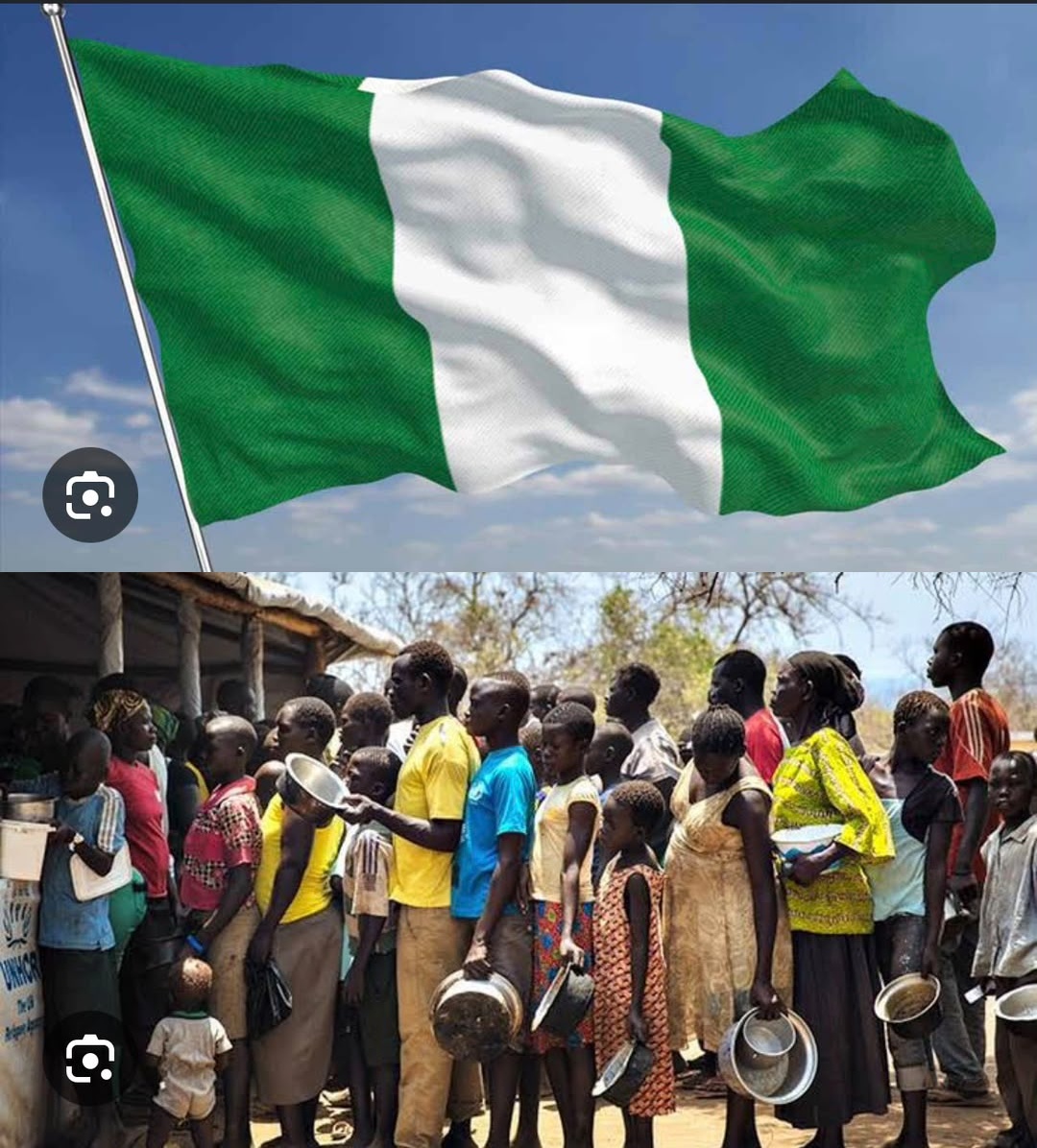
Today I would rather celebrate the Nigerian than Independence.
I will not celebrate a government whose spokesman, Bayo Onanuga, says he does not see the hunger Nigerians complain about. Nor will I celebrate Reno Omokri, our ambassador-designate to Mexico, who says N3,000 is enough to live on for a day.
I will celebrate the resilient citizen who has absorbed the insults and the lies and still gets up before dawn: the trader at Ariaria who counts her change twice, the civil servant who stretches one salary across thirty days.
Before May 2023, petrol sold for about N190 in Abuja. Today it sells between N1,370 and N1,450. A 50kg bag of foreign parboiled rice in Lagos went from about N58,000 in July to N68,000.
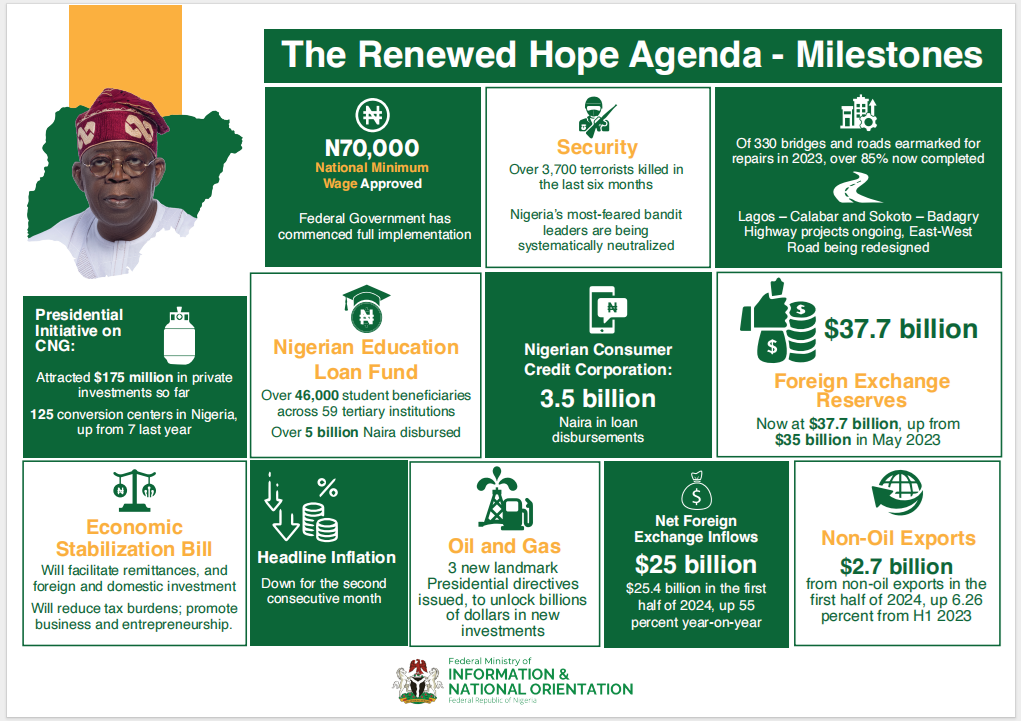
Now do the arithmetic Mr Omokri skipped. Grant him his N3,000. Over thirty days that is N90,000, for one person. A family of four would need N360,000, and many households are bigger. Even for one person, his figure is above the N70,000 minimum wage.
Take a civil servant on N120,000, living in Gwagwalada. That is N4,000 a day for his whole family, or N1,000 a head, a third of what Mr Omokri says one person needs.
And the money does not arrive whole. A bus to Berger costs N1,200 one way, so twenty-two working days come to N52,800, before the last leg to his office.
A 12.5kg cooking gas refill is about N15,000. Half a bag of rice is about N34,000.
That leaves N18,200, about N600 a day for the whole family, to cover rent, light, school fees, oil, pepper, tomatoes and protein. Where a CNG bus runs, the fare is N700, and that is welcome relief. Even then, about N40,000 is left.
Then come the drugs. A single case of malaria at a general hospital costs between N7,000 and N17,000, and pharmaceutical prices rose 41.2 per cent year on year in March. Two bouts in a household of four and most of the N18,200 is gone.
The retired civil servant has it worse. In 2024 the Federal Government approved a minimum pension of N32,000, and pensioners across the country are still asking for what is owed them. Some in Benue say they get as little as N2,000 a month. They served this country, and they buy drugs too, these old men and women.
Today, unlike in the past, the streets in my neighbourhood are empty and quiet. There is no blaring of horns, and no flags flying on okadas, keke and cars. Even the children are off the streets. In other years they would have been playing football with glee to mark the day.
Hunger and anger have taken over. Do not mistake that silence for contentment. God help us.
What wounds is the answer whenever Nigerians cry out?
The spokesman says he asks the people who work for him and does not see the hunger.. The ambassador-designate prices a day’s survival and calls it enough.
To be fair, the President acknowledged the hardship in his address today, and that counts for something. But hunger is no matter of perception.
Yet Nigerians stand. Fela named it in “SUFFERING AND SMILING”, and the song has not aged. We still send children to school on thin pockets and bury our dead with honour.
The anthem we sing today promises that the sacrifice of those who went before us will not be wasted. A government that asks the living for the same sacrifice owes them an answer.
How long must the hungry be asked for patience while the pot stays empty? A people can be indomitable and still be tired. So I ask, with respect: how much longer?
Tell us when rice will cost less, and when a litre of petrol will drop to what a working man can afford. Give us a date and a number we can hold you to.
Almighty God, who hears the cry of the poor, keep the spirit of Nigerians from breaking, open the ears of those who govern, and let relief reach the hungry.
Chukwu gozie Nigeria.
*Chudi Okologbu Uwandu, A journalist, cultural chronicler and public affairs commentator, writes on politics, society, and the rich heritage of his people.





Click to read full text








I’ll Withdraw From Atiku, Campaign For Tinubu If Fuel Drops To ₦600 Tomorrow – Amaechi

18 Passengers, Two Others Killed In Plateau Road Crash

Four Gas FIDs How Tinubu’s Reforms Are Reviving Nigeria’s Oil and Gas Industry — TSF

Learning In UniAbuja Gets Boost As FG Commissions 3MW Solar Hybrid Power Plant, Delivers Reliable Electricity To Over 58,000 Students

PTDF Inaugurates Experts Committee To Overhaul CSDT Operational Policy, Curriculum Development, Others.

Post-Recapitalisation: Omosehin Tasks Underwriters on Capacity, Warns Capital Without Delivery is Meaningless


-
 Business News1 week ago
Post-Recapitalisation: Omosehin Tasks Underwriters on Capacity, Warns Capital Without Delivery is Meaningless
-
 News1 week ago
FG Begins Clearance Of 300 Stranded Power Equipment Containers, Boosts Electricity Supply In Lagos, Abuja By Over 912MW
-

 Business News5 days ago
President Tinubu’s Pro-business Mindset Behind Fast-Rising Foreign Investors’ Interest In Nigeria -TMSG