The World Health Organization (WHO) has condemned is strongest term the degree of devastation on health care in the last 25 days of the war in Ukraine.
It said it has verified 64 incidents of attacks on health care with about 18 million people affected.
According to WHO statistics, “As of 22 March, WHO had verified 64 incidents of attacks on health care in 25 days (between 24 February and 21 March) causing 15 deaths and 37 injuries. That is 2–3 attacks per day. WHO condemns these attacks in the strongest possible terms.
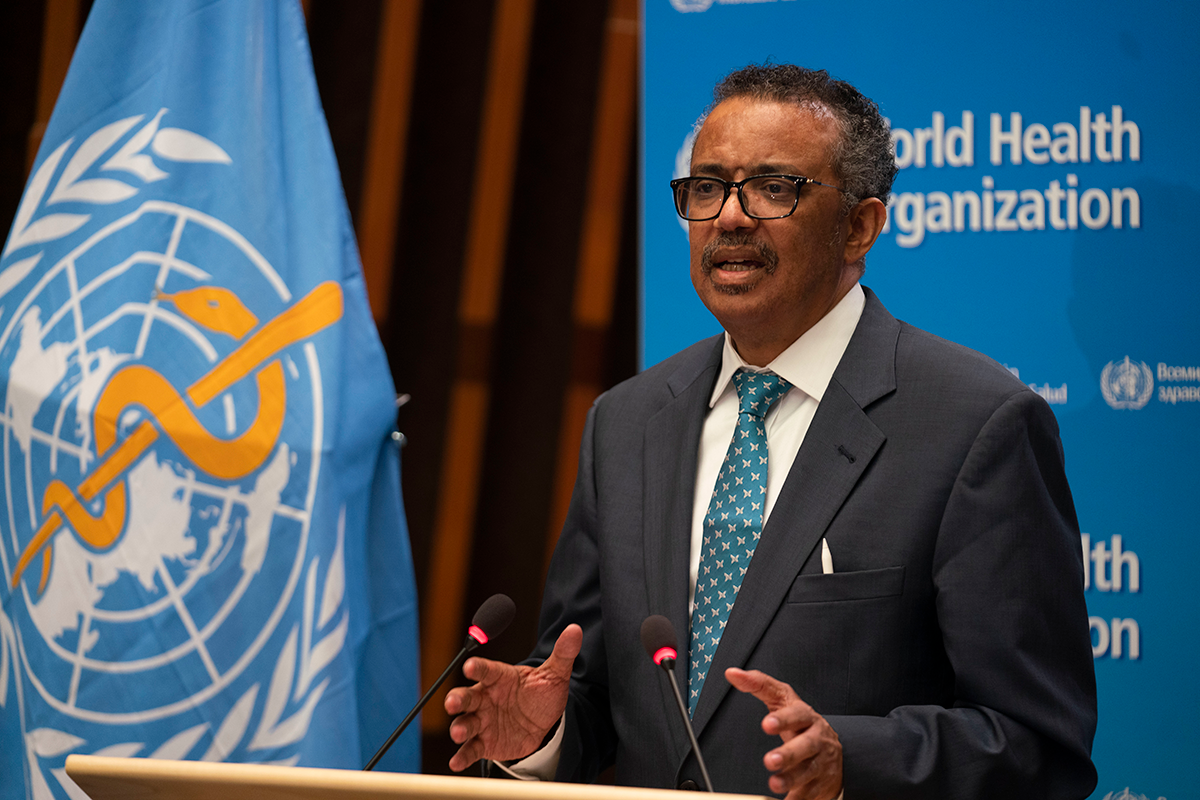
“Attacks on health care are a violation of international humanitarian law, but a disturbingly common tactic of war – they destroy critical infrastructure, but worse, they destroy hope,” said Dr Jarno Habicht, WHO representative in Ukraine.
“They deprive already vulnerable people of care that is often the difference between life and death. Health care is not – and should never be – a target.”
Further, WHO noted that “One month of war has had a devastating impact on Ukraine’s health system, severely restricted access to services, and triggered an urgent need to treat trauma injuries and chronic conditions. Destroyed health infrastructure and disrupted chains of medical supplies now pose a grave threat to millions of people.”
On the war’s impact on health, WHO said Close to 7 million people are internally displaced, and the number of people that have fled to neighbouring countries is fast approaching 4 million.”
It said that means that 1 in 4 Ukrainians are now forcibly displaced, aggravating the condition of those suffering from noncommunicable diseases. According to the International Organization for Migration (IOM), 1 in 3 of the internally displaced suffers from a chronic condition.
It revealed that a number of hospitals have been repurposed to care for the wounded: a shift due to necessity – which comes at the cost of essential services and primary health care.
Approximately half of Ukraine’s pharmacies are thought to be closed. Many health workers are displaced themselves or unable to work.
Close to 1000 health facilities are close to conflict lines or are in changed areas of control. The consequence of that – limited or no access to medicines, facilities and health professionals – mean that treatments of chronic conditions have almost stopped.
COVID-19 vaccination and routine immunization has also come to a halt. Prior to the invasion, at least 50 000 people were getting vaccinated against COVID-19 per day. Between 24 February and 15 March, however, only 175 000 people were vaccinated against COVID-19.
On its response, it disclosed that on the day the war started, WHO activated its contingency plans, repurposed staff and projects, and shifted focus to emergency needs – to support Ukraine’s health system and workers.
WHO works closely with Ukraine’s Ministry of Health and authorities to identify gaps and needs in the country’s health system – and swiftly respond.
WHO has opened an operations hub in Rzeszów in Poland, developed a pipeline of trauma supplies to most Ukrainian cities, and sent more than 100 metric tonnes of medical equipment over the border, to health facilities across the country.
Some 36 metric tonnes of supplies are currently on their way to Lviv, with an additional 108 metric tonnes in the pipeline, consisting of trauma supplies, medication for chronic diseases, paediatric drugs and blood transfusion supplies.
“What we are delivering – and where – meets the very needs of people on the ground, where Ukrainian health workers are working around the clock in unimaginable circumstances. A team of trained health-care professionals can, with one WHO trauma kit that contains surgical equipment, consumables and antiseptics – save the lives of 150 wounded people. In other words, delivering 10 such kits, means 1500 lives saved,” said Dr Habicht.





















 Business News1 week ago

 Business News5 days ago