By Mohammed Abubakar Dutse
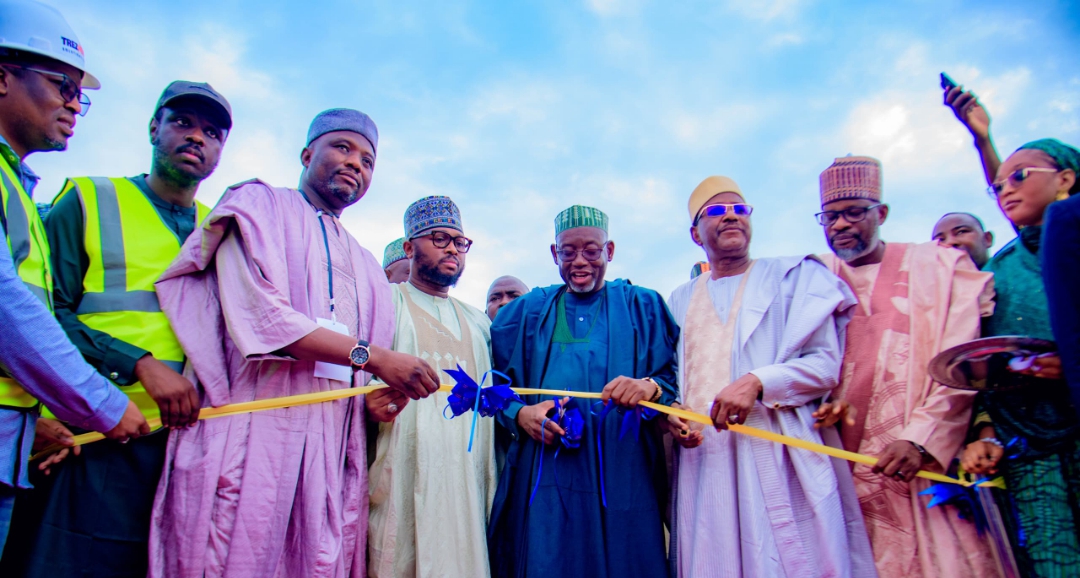
As part of his administration’s efforts to boost power supply in the state, Governor Umar Namadi of Jigawa State has inaugurated a 500KVA solar-hybrid mini-grid worth N1.2bn in Kafin Hausa local government council
The initiative, which is a joint partnership between the state government, Future Energies Africa, (FEA) and Kano Electricity Distribution Company, (KEDCO), according to Namadi, is “a visionary investment that will empower our people and support rapid, sustainable development.”
The governor described electricity as critical for the state’s progress, pointing out that “the mini-grid project stands as a beacon of hope for Jigawa’s energy future, blending innovation with locally-tailored development.
The governor reaffirmed the state government’s commitment to leveraging renewable energy technologies to sustainably meet growing electricity demands.
“As these projects expand, Jigawa is poised to power progress, stimulate commerce, and transform lives across the state,” Namadi noted.
The project, executed by Bagaja also part of several mini-grid power projects planned to be rolled out in Jigawa State in the coming months through these collaborative efforts,” he said.
“This is part of the fulfillment of KEDCO’s obligations in our signed Memorandum of Understanding when the Jigawa State Government agreed to invest in KEDCO, the Power Distribution Company serving our state. I truly believe today’s event is yet another milestone in our efforts to improve the socioeconomic wellbeing of the people of Jigawa State.”
The Kafin Hausa Mini-Grid is a 500 kWp solar-hybrid power plant equipped with a 3.5 km 33 kV distribution line, step-up and step-down transformers, and other supporting infrastructure.
It is the first of several mini-grids to be built in key locations across the state, including Dutse, Hadejia, Kazaure, Ringim, and Gumel.
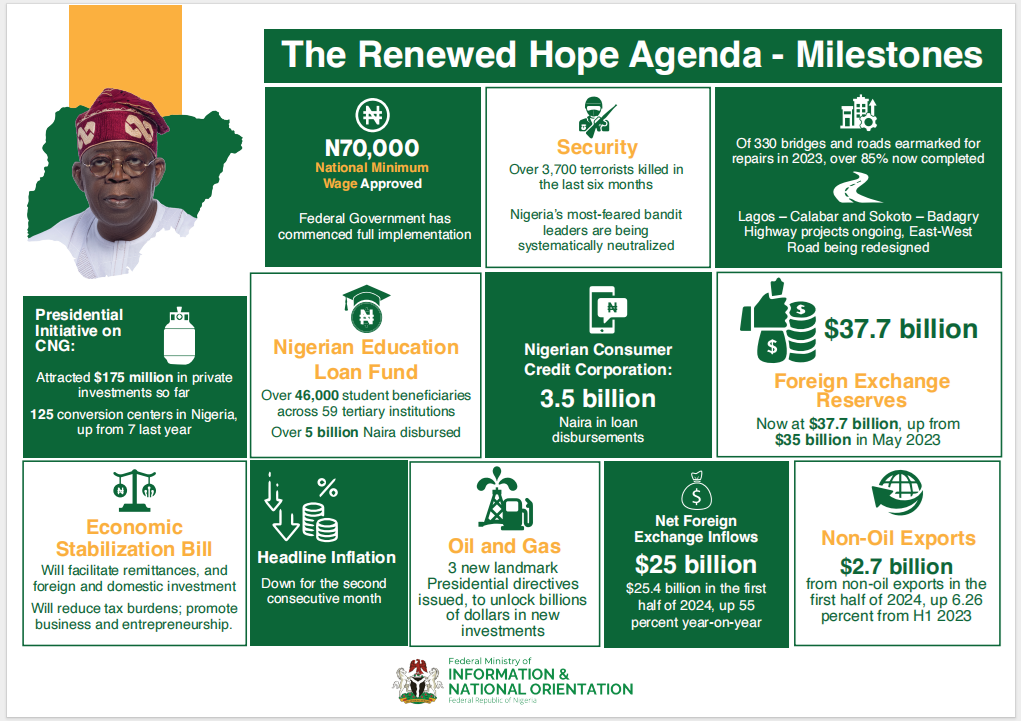
Governor Namadi said that the commissioning reflects Jigawa’s alignment with the Renewed Hope Agenda of President Bola Ahmed Tinubu, which devolves the power sector and enables states to generate their own electricity.
“Accordingly, the Agenda has considered increased public and private sector investments in off-grid and renewable power generation as part of the options for a sustainable solution to the seemingly intractable power problems in the country.”
The governor highlighted the project’s connection to his administration’s 12-Point Agenda, saying that sustained investment in renewable energy and private sector participation are central to his economic transformation goals.
“Several aspects of our 12-Point Agenda have equally recognized sustained investment in renewable energy, connecting rural communities and public institutions to off-grid electricity, and expanding the role of the private sector in transforming the state’s economy as key priorities.
“This partnership and collaboration with KEDCO allowed us to acquire a small stake in the ownership of the Power Distribution Company, which also required the Company to take actions aimed at boosting power supply in the State.
Ahmad Zakari, who represented FEA, praised the innovative mix of conventional and renewable energy sources, saying that “our hybrid solar project sets a new standard in electrification, enabling clean, consistent power to Jigawa’s urban centres.”
Zakari underscored the private sector commitment to Nigeria’s power solutions, pointing to Jigawa’s mini-grid model as pathbreaking for energy inclusion.
The Managing Director of KEDCO Dr. Abubakar Jimeta remarked that “the mini-grid’s infrastructure guarantees stable power for households and businesses, alleviating pressure on the national grid and enhancing energy access.”
“The Kafin Hausa Mini-Grid is an investment of N1.2 billion and includes a 500KWp solar-hybrid power plant, a 3.5km 33kV distribution line, step-up and step-down transformers, and will supply power to 10 major distribution transformers across Kafin Hausa town and environs, including NEPA Office, Kofar Fada, Akarami, Bakin Kasuwa, Ashura, Kwazalewa, Kafasa, Bulangu, Maru and Yakasai, amongst others,” the MD said.
Dr. Jimeta added that such projects relieve strain on the national grid while providing resilient power in underserved areas in the state.
In his remark, the state Commissioner for Power and Renewable Energy, Surajo Musa, stressed the project’s socio-economic impact.
“In an agrarian state like Jigawa, where farming and agro-business dominate, access to stable electricity will boost productivity, create jobs, and enhance quality of life,” he said.
He highlighted government policies fostering private investments in renewable energy to accelerate state electrification.
Musa explained that the mini grid would energize vital locations such as Ashura, Kwazalewa, Kafasa, Bulangu, Maru, and Yakasai, supporting essential services and local businesses in the state.
“Given Jigawa’s agricultural foundation, the reliable power supply will benefit agro-processing, irrigation, cold storage, and other energy-dependent activities, improving food security and income generation,” he stressed further.















 News4 days ago