By LOVETH-AZODO CHIJIOKE, Lagos
Stakeholders in Nigeria’s insurance and pension industries have called on operators to translate their strengthened financial capacity into better services, accessible products and improved financial security for policyholders and retirement savings contributors.
The stakeholders made the call at the 11th Annual Conference of the Nigerian Association of Insurance and Pension Editors (NAIPE) in Lagos on Thursday, warning that the long-term value of capital reforms would depend on how effectively operators deploy their resources to meet customers’ needs.
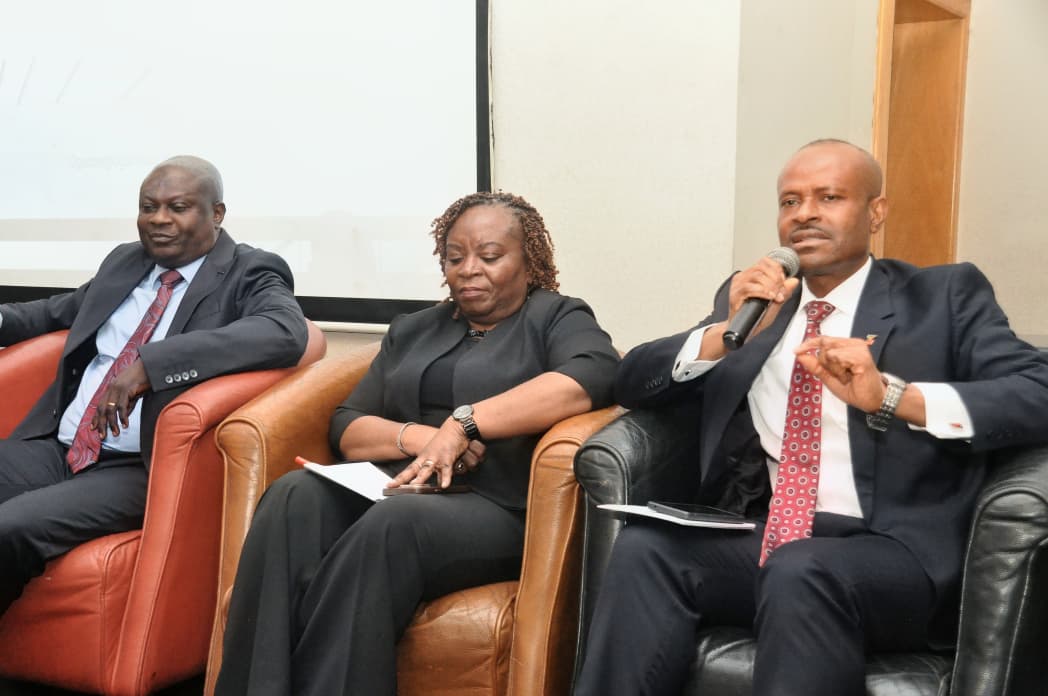
Speaking during a panel session at the conference, themed “Post-Recapitalisation Market Dynamics in Insurance and Pension Sectors,” they stressed the need for technology-driven services, prudent investment decisions, stronger consumer protection and greater public confidence in the two sectors.
The Managing Director of SanlamAllianz General Insurance, Mrs Jacqueline Agweh, said insurers had an opportunity to expand market penetration by developing products that respond directly to the needs and financial circumstances of customers.
She said operators must move beyond conventional product offerings and engage consumers to understand their risks, preferences and expectations.
According to her, digital transformation, user-friendly technology and self-service platforms would be essential to simplifying insurance transactions and improving customer experience.
Agweh urged insurers to deploy technology to streamline customer onboarding, strengthen risk assessment and claims investigation, and eliminate operational bottlenecks that often discourage prospective policyholders.
She also identified retail and micro-insurance as critical areas for growth, noting that affordability and simplicity remained central to expanding insurance coverage among Nigerians.
“Bulky policy documents and complicated terms often discourage people from taking insurance products,” she said, adding that operators needed to make their systems more seamless and provide digital platforms through which customers could access services conveniently.
Agweh further advocated integrating insurance into everyday commercial transactions to make protection more accessible and less dependent on consumers actively seeking out policies.
She cited the possibility of insuring mobile phones at the point of purchase as an example of how insurers could embed coverage into routine economic activities.
“Why can’t my phone be insured from the point of purchase? Why can’t you bring it in? Sometimes it is so subtle, you don’t even see that they pay for insurance,” she said.
She maintained that making insurance an integral part of daily life would require operators to develop relevant, affordable and accessible products rather than relying solely on traditional distribution channels.
For the pension industry, the Executive Director of NLPC Pensions, Mr Babalola Rufus, said the protection and timely payment of beneficiaries’ funds must remain central to operators’ responsibilities.
He said shareholders and contributors had committed financial resources to the industry with the expectation that their investments and retirement savings would be properly managed and deliver tangible benefits.
Rufus argued that the performance of the sector should therefore be assessed by the quality of services rendered to contributors and the security of their retirement savings, rather than by the size of institutions’ capital bases.
He said stronger capitalisation should translate into more resilient institutions, improved investment decisions, better customer service, increased participation and greater accountability.
The Managing Director of Zenith Pensions Custodian Limited, Mr Peters Elendu, also called for increased investment in technology, artificial intelligence, data analytics and innovation to improve the accessibility and efficiency of pension services.
Elendu, who was represented by the Head of Safekeeping and Corporate Action at the firm, Mr Alfred Nkuma, said operators must equally invest in human capital to equip employees with the skills required to support technological advancement.
He described the industry’s capital reforms as an opportunity to build stronger and more resilient institutions, rather than an exercise limited to meeting regulatory requirements.
According to him, attention should now shift to the effective deployment of available funds to address operational challenges, improve service delivery and create sustainable value over time.
Nkuma said pension fund custodians had a critical responsibility to protect pension assets, diversify investments appropriately and maintain sufficient liquidity to meet obligations to beneficiaries.
He noted that public trust remained essential to sustaining contributions to the pension system, adding that custodians must continue to prioritise the safety, availability and growth of assets belonging to Nigerian workers.
Earlier, the Chairman of NAIPE, Mrs Ebere Nwoji, said the conference was designed to bring regulators, industry operators and investment experts together to examine how funds mobilised by insurance and pension institutions could be invested prudently for sustainable returns.
She said effective deployment of the funds would not only strengthen the institutions involved but also support economic growth, deliver value to investors and improve the long-term financial security of Nigerians.
Nwoji commended the Commissioner for Insurance, Mr Olusegun Omosehin, for overseeing the successful conclusion of the insurance industry’s recapitalisation exercise, following several unsuccessful attempts by previous administrations.
She said the completion of the exercise had brought an end to years of uncertainty surrounding efforts to strengthen the industry’s capital base.
The NAIPE chairman congratulated the 50 insurance and reinsurance institutions that met the recapitalisation requirements, expressing optimism that the outcome would improve their capacity to compete and expand their businesses.
She, however, urged institutions that failed to meet the requirements to accept the outcome and avoid actions capable of generating further uncertainty in the market.
Nwoji also called on insurers to use their enhanced financial capacity to expand coverage and encourage more Nigerians to purchase insurance policies.
She appealed to Omosehin to remain focused on the reform process despite criticism from some industry stakeholders, arguing that strengthening the sector was necessary for its long-term development.
The association, she added, would intensify public education efforts to improve understanding of insurance and pensions as instruments for long-term savings, financial protection and resilience against unforeseen economic difficulties.
On the pension industry, Nwoji expressed confidence that the ongoing recapitalisation process would strengthen pension fund administrators (PFAs) and improve retirement outcomes for Nigerian workers.
She urged PFAs to take advantage of the time available to meet the revised capital requirements before the July 2027 deadline, advising operators that might struggle to comply independently to begin merger discussions early.
According to her, timely engagement on potential mergers would help ensure business continuity and minimise disruptions to pension services.
Nwoji also commended the Director-General of the National Pension Commission (PenCom) for the reform initiatives being pursued under the Pension Revolution 2.0 programme.
She said the initiatives held promise for improving retirees’ welfare, strengthening retirement security and reducing the risk of poverty among older Nigerians.






















 Business News1 week ago

 News1 week ago

 Politics1 week ago