Connect with us

News

FAO, WHO, WOAH Raise Alarm Over Avian Influenza Outbreaks In Animals, Say It Poses Risk To Humans

Published

on

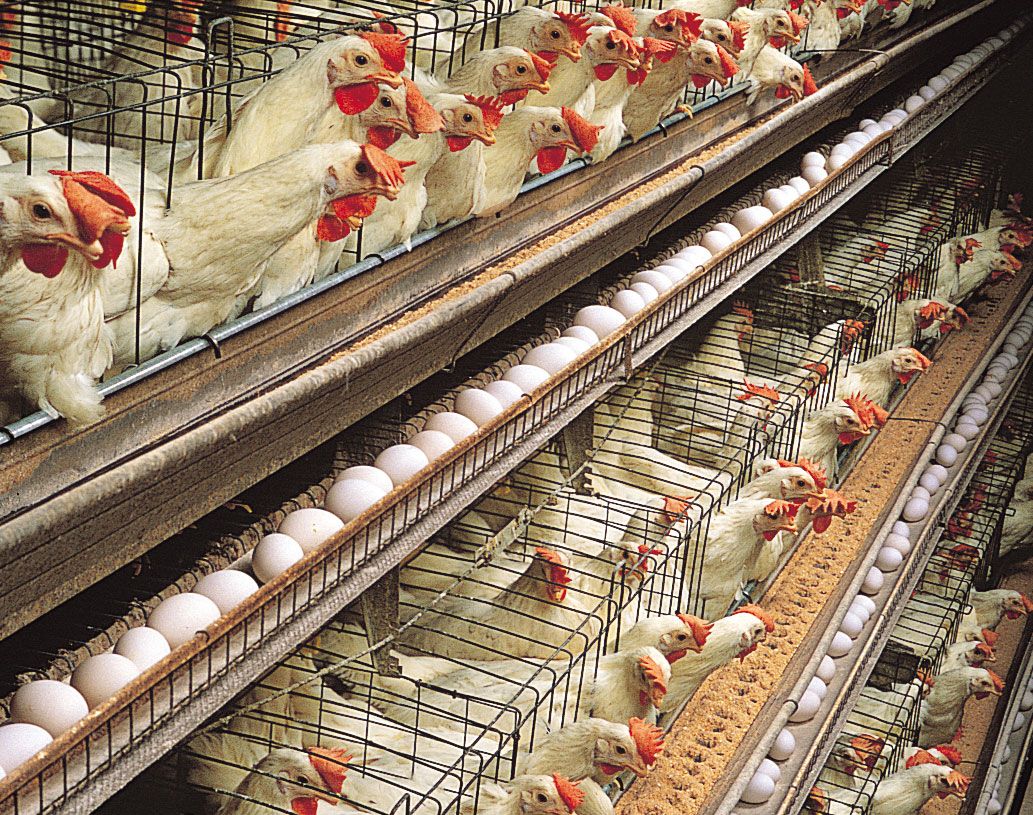
The current outbreaks of avian influenza (bird flu) have caused devastation in animal populations, including poultry, wild birds, and some mammals, and harmed farmers’ livelihoods and the food trade.

Although largely affecting animals, these outbreaks pose ongoing risks to humans. 

The Food and Agriculture Organization of the United Nations (FAO), the World Health Organization (WHO), and the World Organisation for Animal Health (WOAH) are urging countries to work together across sectors to save as many animals as possible and to protect people. 

Avian influenza viruses normally spread among birds, but the increasing number of H5N1 avian influenza detections among mammals—which are biologically closer to humans than birds —raises concern that the virus might adapt to infect humans more easily.

In addition, some mammals may act as mixing vessels for influenza viruses, leading to the emergence of new viruses that could be more harmful to animals and humans. 

The goose/Guangdong-lineage of H5N1 avian influenza viruses first emerged in 1996 and have been causing outbreaks in birds since then.

Since 2020, a variant of these viruses belonging to the H5 clade 2.3.4.4b has led to an unprecedented number of deaths in wild birds and poultry in many countries in Africa, Asia and Europe. In 2021, the virus spread to North America, and in 2022, to Central and South America. 

In 2022, 67 countries in five continents reported H5N1 high pathogenicity avian influenza outbreaks in poultry and wild birds to WOAH, with more than 131 million domestic poultry lost due to death or culling in affected farms and villages.

In 2023, another 14 countries reported outbreaks, mainly in the Americas, as the disease continues to spread. Several mass death events have been reported in wild birds, caused by influenza A(H5N1) clade 2.3.4.4b viruses. 

Sporadic influenza A(H5N1) clade 2.3.4.4b virus detections in humans have also been reported, but remain very rare, with 8 cases reported since December 2021. Infections in humans can cause severe disease with a high mortality rate. The human cases detected thus far are mostly linked to close contact with infected birds and contaminated environments. 

“With the information available so far, the virus does not appear to be able to transmit from one person to another easily, but vigilance is needed to identify any evolution in the virus that can change that,” said Dr Sylvie Briand, Director of Epidemic and Pandemic Preparedness and Prevention, WHO.

“WHO is working closely with FAO and WOAH, and laboratory networks to monitor the evolution of these viruses, looking for signals of any change that could be more dangerous to humans. We encourage all countries to increase their ability to monitor these viruses and to detect any human cases. This is especially important as the virus is now affecting countries with limited prior experience in avian flu surveillance.”

Advertisement
Click to comment

Leave a Reply

Your email address will not be published. Required fields are marked *

RENEWED HOPE AGENDA

FIRS – Dial *829#

Our Naira Our Pride

NNPC: WE ARE HIRING

THE RENEWED HOPE AGENDA

ADVERTISEMENT

PRESS RELEASE

Click to read full text


CAVEAT EMPTOR

Advertisement

CBN Advert

Click the link to visit
Advertisement
Advertisement
Advertisement

Happy New Year

Facebook

Advertisement
Advertisement

Breaking News...